📬 Breast Cancer Intelligence Digest — Week 2026-W44
ESMO26 breast: NATALEE reports a 6-year OS difference of 2.1% that clinicians argue is descriptive only, FOURLIGHT-1 shows selective CDK4 inhibition works after CDK4/6i, three HER2 TOP1 ADCs beat chemotherapy in HER2-low disease, and postMONARCH's final OS misses significance.
⚡ TL;DR
📄 Publications
- Hypofractionated Versus Conventionally Fractionated Postmastectomy Radiotherapy With Internal Mammary Node Irradiation for High-Risk Breast Cancer (HypoMast-IMNI): A Randomized Phase III Trial. — 1,494 high-risk patients after mastectomy were randomized 1:1 to HypoRT 42.56 Gy in 16 fractions or ConvRT 50 Gy in 25 fractions, both covering chest wall, regional nodes and IMN
- Trastuzumab Rezetecan in ERBB2-Low Advanced Breast Cancer: The HORIZON-Breast06 Randomized Clinical Trial. — 551 patients with centrally confirmed ERBB2-low metastatic breast cancer at 73 hospitals in China randomized 1:1 to trastuzumab rezetecan 6.4 mg/kg q3w (n=277) or physician's choice chemotherapy (n=274)
- Rilvegostomig Plus Trastuzumab-Deruxtecan for Early-Stage Breast Cancer: The I-SPY2.2 Randomized Clinical Trial. — 182 individuals with high-risk stage II/III ERBB2-negative early breast cancer participated; 88 randomized to contemporary control and 108 of 289 remaining participants (37%) to RT-DXd
- Overall survival with adjuvant ribociclib plus nonsteroidal aromatase inhibitor in patients with high-risk HR+/HER2- early breast cancer: Six-year follow-up of the NATALEE trial. — Patients with HR+/HER2- early breast cancer stage IIA (N1 or N0 with high-risk factors), IIB or III were randomized 1:1 to ribociclib 400 mg/day for 3 years plus NSAI or NSAI alone
- Pembrolizumab Plus Chemotherapy for HR+/HER2- PD-L1‒Positive Advanced Breast Cancer: Final Analysis of the Phase 3 KEYNOTE-B49 Study. — 342 participants with PD-L1 CPS ≥1 HR+/HER2- advanced breast cancer after prior endocrine therapy were randomized to pembrolizumab 200 mg or placebo Q3W plus chemotherapy
🐦 Twitter / 🦋 Bluesky
- SWITCH and bulumtatug fuvedotin at ESMO26 settle the ADC sequencing question: swap the payload, not the target — In SWITCH, changing the target antigen while keeping the same TOP1 inhibitor payload class produced ORRs of only 0-8.3% in metastatic breast cancer progressing after ADC therapy
- Update: Lucarecco's JNCI analysis refines who the monarchE and NATALEE criteria actually select, and clinicians debate anatomic versus biologic risk — The authors set out to refine risk stratification according to monarchE and NATALEE criteria because optimal indications for adjuvant CDK4/6i in early breast cancer remain debated, particularly the unclear prognostic role of anatomic versus biologic features
- NATALEE 6-year results land at ESMO26 and the argument is whether a 2.1% OS difference outside the formal testing strategy can be called positive — At 6 years OS was 91.86% vs 89.73% with adjuvant ribociclib plus NSAI, HR 0.809 (95% CI 0.661–0.989), nominal 1-sided P=0.019
- TROPION-Breast02 brain metastases analysis makes Dato-DXd the preferred TROP2 ADC for first-line TNBC with CNS disease — Among 61 patients with brain metastases, CNS PFS was 9.5 vs 2.6 months (HR 0.27) and intracranial ORR 62.5% vs 37.5%
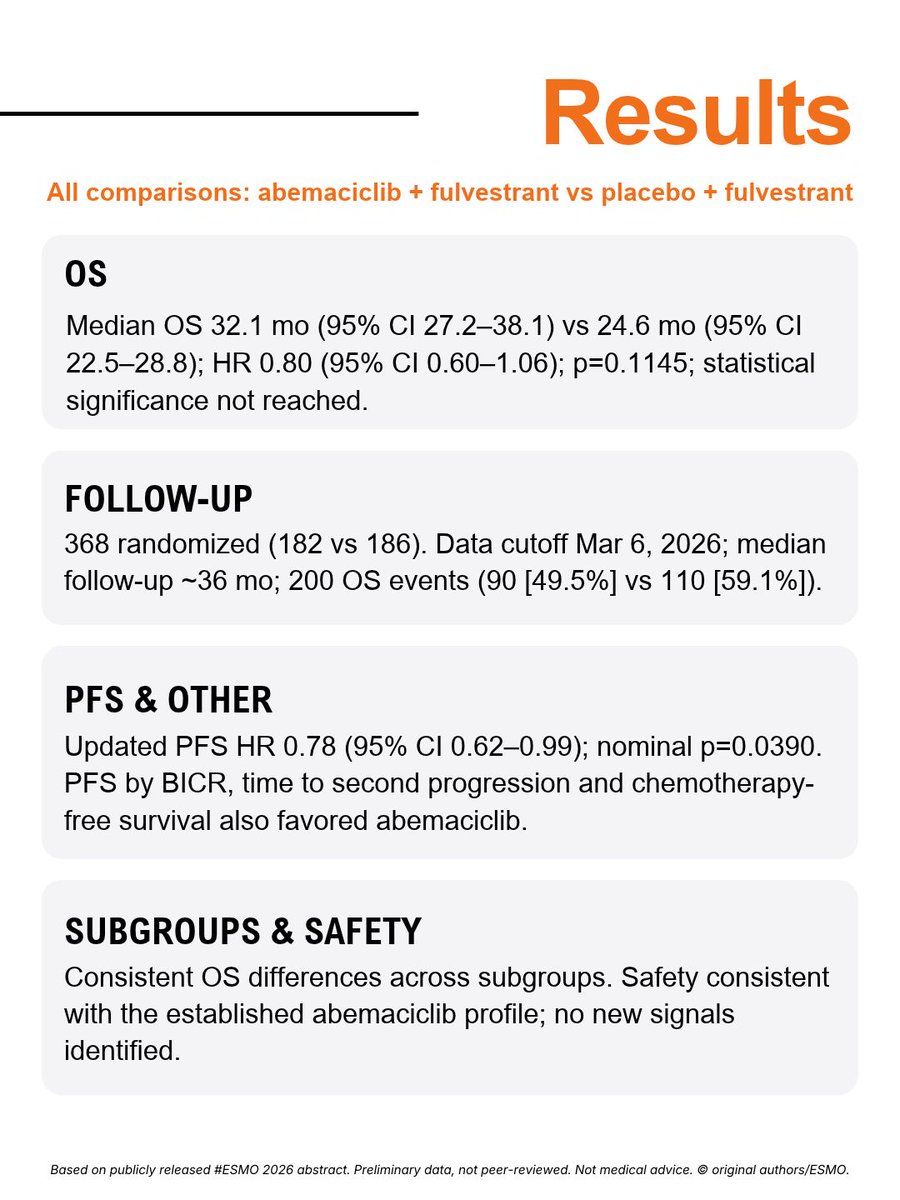
- postMONARCH final OS: abemaciclib plus fulvestrant after CDK4/6i gains 7.5 months of median OS but misses statistical significance — Median OS was 32.1 vs 24.6 months with abemaciclib plus fulvestrant, HR 0.80 (0.60–1.06), p=0.1145, statistical significance not reached
Full details below ↓
📄 What's Being Published
Hypofractionated Versus Conventionally Fractionated Postmastectomy Radiotherapy With Internal Mammary Node Irradiation for High-Risk Breast Cancer (HypoMast-IMNI): A Randomized Phase III Trial. — Wang Xiaofang et al., J Clin Oncol
In this phase III trial, 1,494 patients were randomly assigned to HypoRT 42.56 Gy in 16 fractions or ConvRT 50 Gy in 25 fractions, with both regimens covering the chest wall, regional nodes and IMN. The 5-year cumulative incidence of locoregional recurrence was 1.7% with HypoRT vs 2.2% with ConvRT (hazard ratio 0.69 [95% CI, 0.32 to 1.51]), which met the noninferiority criterion (P = .017). There were no significant differences in 5-year DMFS, BCRFS, DFS or OS. Grade 3 acute skin toxicity was 1.7% vs 12.2% (P < .001).
Clinical bottom line: When postmastectomy radiotherapy must cover the internal mammary nodes, a 16-fraction hypofractionated regimen can now replace 25 fractions. It gives equal locoregional control with far less grade 3 skin toxicity.
Trastuzumab Rezetecan in ERBB2-Low Advanced Breast Cancer: The HORIZON-Breast06 Randomized Clinical Trial. — Fan Ying et al., JAMA
Patients with ERBB2-low metastatic breast cancer were randomized to trastuzumab rezetecan 6.4 mg/kg every 3 weeks (n = 277) or physician's choice of chemotherapy (n = 274). In chemotherapy-naive patients, median PFS was 16.6 vs 6.8 months (hazard ratio 0.25 [95% CI, 0.19-0.33]; P < .001). In the overall population it was 16.4 vs 6.8 months (hazard ratio 0.27), and benefit was consistent in hormone receptor-negative (HR 0.34) and hormone receptor-positive disease (HR 0.24). Grade 3 or greater treatment-related adverse events occurred in 84.1% vs 67.9%, most commonly decreased neutrophil count.
Clinical bottom line: Trastuzumab rezetecan more than doubles PFS over chemotherapy in ERBB2-low metastatic breast cancer. However, grade ≥3 treatment-related toxicity reached 84.1% and there is no head-to-head comparison with T-DXd, so its place in sequencing is undefined.
Rilvegostomig Plus Trastuzumab-Deruxtecan for Early-Stage Breast Cancer: The I-SPY2.2 Randomized Clinical Trial. — et al., JAMA Oncol
Among 105 patients treated with RT-DXd in block A, the modeled pCR rate in immune-positive tumors was 54%, which met the predefined success threshold. pCR rates were similar in HR-positive, immune-positive disease (57%) and HR-negative, immune-positive disease (52%). Among immune-positive patients with pCR, 21 (62%) required only block A and 33 (97%) avoided anthracycline-based chemotherapy. ILD occurred in 13 patients (12.4%), including 1 grade 3 event.
Clinical bottom line: In immune-positive ERBB2-negative early breast cancer, RT-DXd lets most patients who achieve pCR skip anthracyclines. A 12.4% ILD rate keeps this a biomarker-selected research strategy rather than practice.
Overall survival with adjuvant ribociclib plus nonsteroidal aromatase inhibitor in patients with high-risk HR+/HER2- early breast cancer: Six-year follow-up of the NATALEE trial. — Slamon D J et al., Ann Oncol
At a median OS follow-up of 66.5 months, ribociclib plus NSAI showed a 6-year ΔOS of 2.1% (HR 0.809 [95% CI: 0.661-0.989]; nominal 1-sided P = .019). The authors describe this as a prespecified descriptive analysis. The 6-year ΔiDFS was 5.3% (HR 0.741 [95% CI: 0.646-0.849]; nominal 1-sided P < .0001), supported by DDFS HR 0.744 and DRFS HR 0.738, with no new safety signals.
Clinical bottom line: Adjuvant ribociclib now shows a 2.1% 6-year OS difference and a widening 5.3% iDFS gap after treatment ends. Because the OS analysis sits outside the formal testing strategy, clinicians should present it as a strong signal, not a demonstrated survival benefit.
Pembrolizumab Plus Chemotherapy for HR+/HER2- PD-L1‒Positive Advanced Breast Cancer: Final Analysis of the Phase 3 KEYNOTE-B49 Study. — Rugo H S et al., Ann Oncol
The trial randomized 342 participants. At interim analysis, the PFS hazard ratio was 0.74 (95% CI, 0.58‒0.95; P=0.0089), with median PFS 6.7 vs 6.0 months; in CPS ≥10 the PFS hazard ratio was 0.59. At final analysis, the OS hazard ratio was 1.04 (95% CI, 0.81‒1.33; P=0.6185), with median OS 21.0 vs 22.2 months. Grade ≥3 treatment-related AEs occurred in 38% vs 33%, and discontinuation due to treatment-related AEs in 11% vs 5%.
Clinical bottom line: A small median PFS gain with no OS benefit and more discontinuation does not justify adding pembrolizumab to chemotherapy in PD-L1 CPS ≥1 HR+/HER2- advanced breast cancer. The CPS ≥10 subset merits further biomarker work.
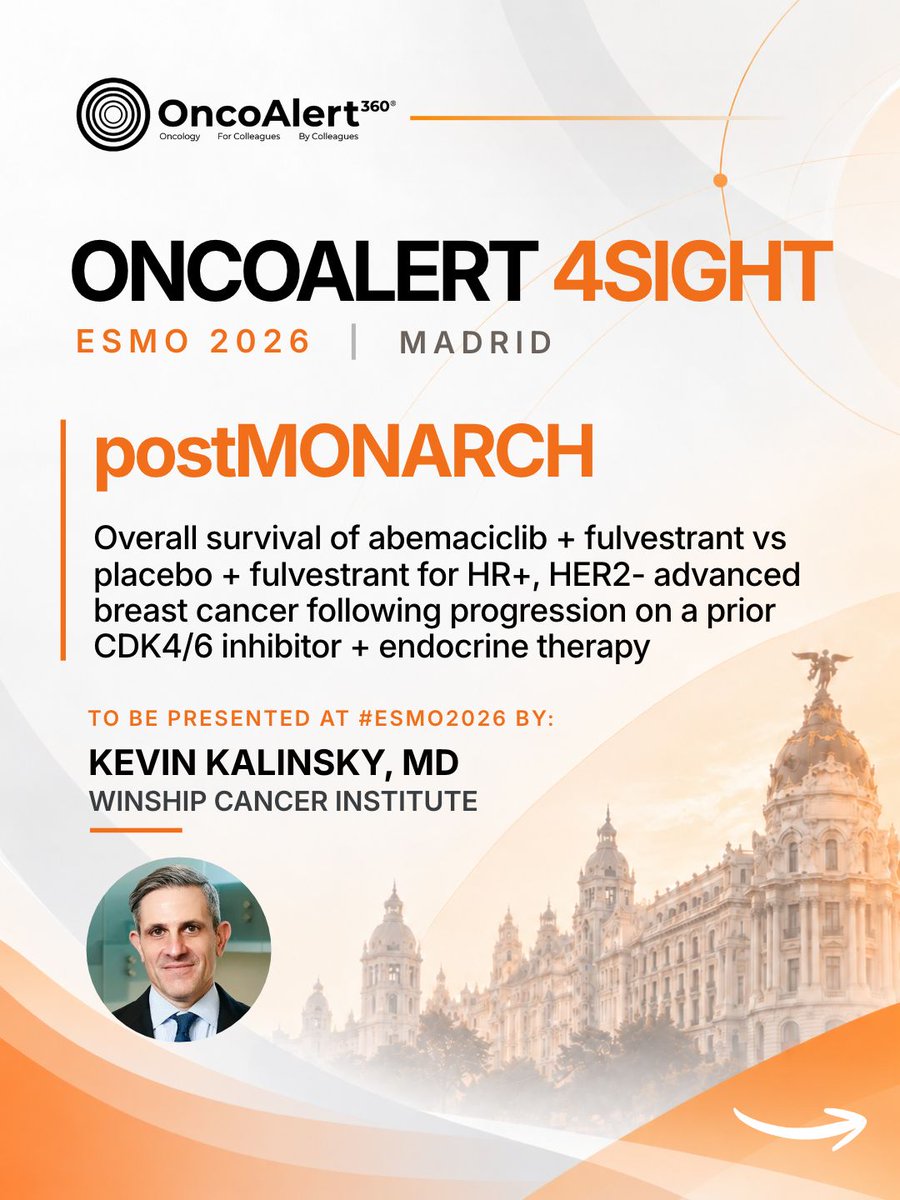
Overall survival from the phase III postMONARCH trial of abemaciclib plus fulvestrant versus placebo plus fulvestrant for HR+, HER2- advanced breast cancer following progression on a prior CDK4/6 inhibitor plus endocrine therapy. — Kalinsky Kevin et al., Ann Oncol
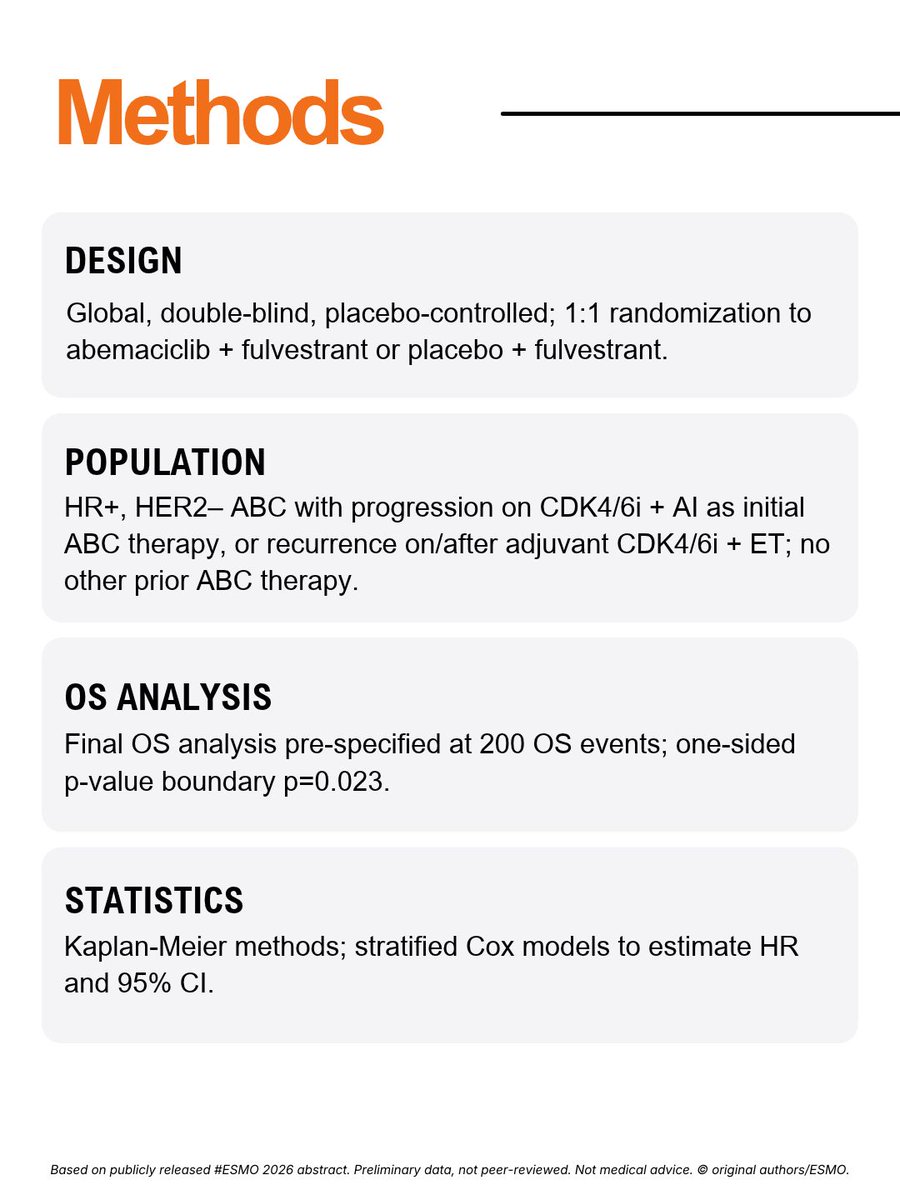
The trial randomized 368 participants, with approximately 37 months of median follow-up and 200 OS events. Median OS was 32.1 vs 24.6 months (HR 0.80 [95% CI, 0.60 to 1.06]; P = 0.11), and the significance boundary was not reached. Updated PFS was consistent with the primary analysis (HR 0.78; nominal P = 0.039). Time to second progression and chemotherapy-free survival also favored abemaciclib, with no new safety signals.
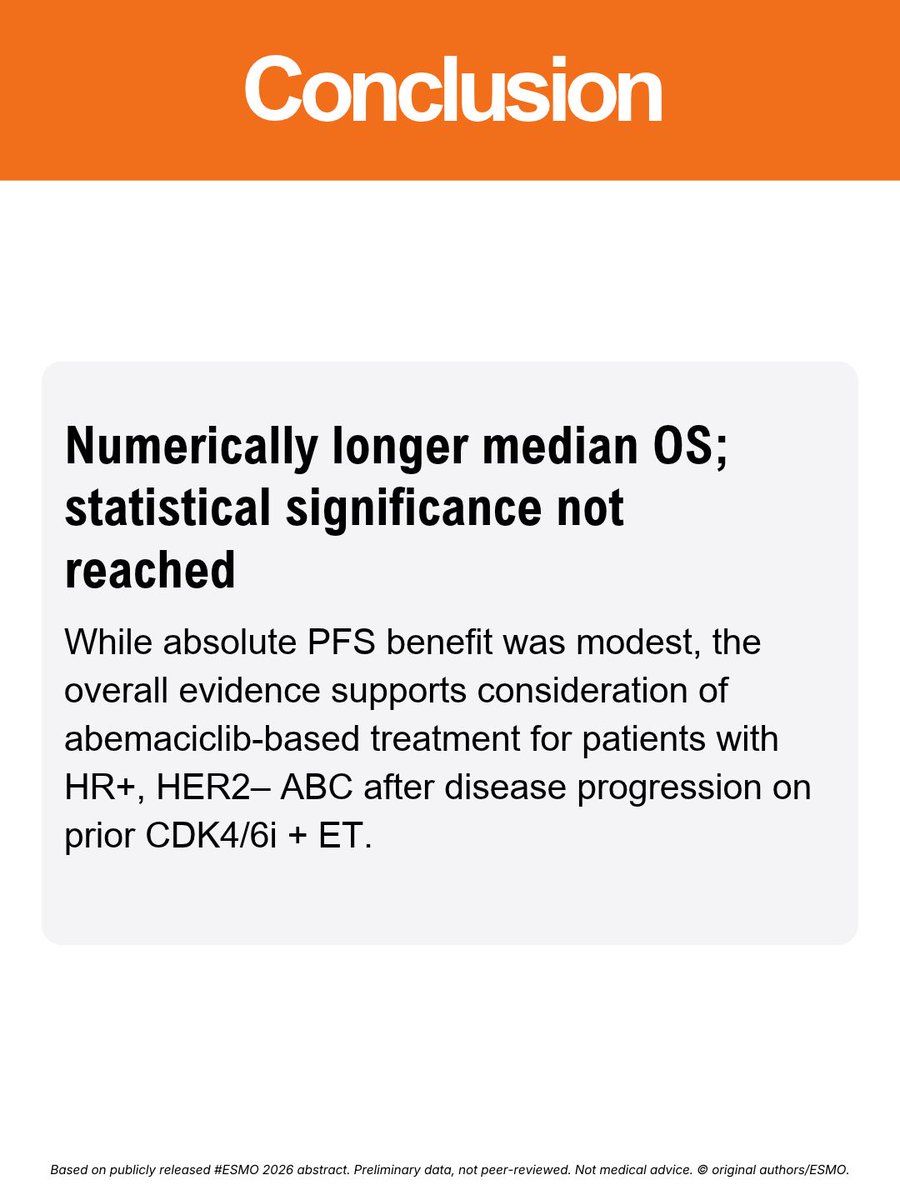
Clinical bottom line: Continuing CDK4/6 blockade with abemaciclib plus fulvestrant gives a numerically longer but non-significant OS. It remains an option for selected patients, not a preferred second-line choice ahead of biomarker-directed therapy.
Atirmociclib and fulvestrant for patients with HR+/HER2- advanced/metastatic breast cancer who progressed on a prior cyclin-dependent kinase 4/6 inhibitor: primary analysis of the randomized FourLight-1 trial. — Giordano A et al., Ann Oncol
The trial enrolled 263 patients (atirmociclib, n = 126; ICT, n = 137). PFS was significantly improved with atirmociclib (stratified hazard ratio 0.60; 95% CI, 0.440-0.825; 1-sided P = 0.0007), with median PFS 9.4 vs 6.6 months. ORR was 19.3% vs 11.3% (nominal P = 0.0901), median DOR 14.8 vs 9.3 months and CBR 61.9% vs 46.0%. The most common TEAEs were neutropenia (47.2%), leukopenia (33.6%) and diarrhea (28.0%), and 6.4% discontinued due to TEAEs.
Clinical bottom line: Selective CDK4 inhibition recaptures meaningful disease control after CDK4/6 inhibitor progression. This is a randomized phase 2 result against a mixed control arm, and the first-line phase 3 FourLight-3 will decide whether atirmociclib displaces current CDK4/6 inhibitors.
Association of Circulating Eosinophils With Systemic Immune Activation and Reduced Recurrence in Hormone Receptor-Positive/Human Epidermal Growth Factor Receptor 2-Negative Breast Cancer. — Li Ze-Qing et al., J Clin Oncol
Preoperative eosinophil count was evaluated in a discovery cohort (N = 472) and validated in an independent cohort (N = 23,170). Its additive value was tested in patients with 21-gene recurrence scores (n = 2,973) and in high-risk patients receiving adjuvant CDK4/6 inhibitors (n = 3,471). Higher counts correlated with significantly improved recurrence-free and distant metastasis-free survival. Eosinophil levels added prognostic value beyond the 21-gene RS and predicted which high-risk patients derived greater benefit from CDK4/6 inhibition.
Clinical bottom line: A routine preoperative blood count may add prognostic information beyond the 21-gene recurrence score and flag who benefits most from adjuvant CDK4/6 inhibition. The data are retrospective and need prospective validation before they change adjuvant selection.
Inflammatory Breast Cancer-The Evolution of Diagnosis and Modern Clinical Management. — Seale Katelyn N et al., JCO Oncol Pract
This qualitative review describes inflammatory breast cancer as the most aggressive form of breast cancer, with a poor prognosis; it is rare, often misdiagnosed and understudied. It covers clinical presentation, evolving diagnostic criteria and current management, including the standard trimodality approach for stage III disease. It also lists current and upcoming interventional trials with dedicated IBC populations.
Clinical bottom line: This review changes nothing immediately. It is the reference for current diagnostic criteria, the trimodality standard and the trials that actually enroll these patients.
🗣️ What People Were Discussing This Week
How these are chosen: filtered for clinical relevance, grouped by the new development discussed, then ordered by engagement (bookmarks and reposts).
SWITCH and bulumtatug fuvedotin at ESMO26 settle the ADC sequencing question: swap the payload, not the target
In SWITCH, changing the target antigen while staying within the TOP1 inhibitor payload class produced almost no responses after ADC progression. Both responders had switched from an MMAE-based to a TOP1i-based ADC, though investigators call the study small and hypothesis-generating. The Nectin-4-targeted MMAE ADC bulumtatug fuvedotin produced responses after TOP1 ADCs, but its short PFS questions durability, and clinicians ask who the responders are. With SATEEN and HER3-DXd pointing the same way, and DB02 and TULIP showing that a same-target, different-payload ADC beats chemotherapy, the debate is whether sequencing and trial design should now be built on payload class rather than target antigen.
Key numbers: SWITCH ORR 0–8.3% · SWITCH responses 2/54 (3.7%) · Bulumtatug fuvedotin ORR 30%, median PFS 3.7 mo · Bulumtatug fuvedotin median DOR 8.7 mo · SATEEN 1 response in 27
Discussed by: @PTarantinoMD, @dr_yakupergun, @drsarahsam, @drgandara, @lungoncdoc, @ChandrakanthMv
Update: Lucarecco's JNCI analysis refines who the monarchE and NATALEE criteria actually select, and clinicians debate anatomic versus biologic risk
A JNCI analysis set out to refine risk stratification under the monarchE and NATALEE criteria, because the prognostic role of anatomic versus biologic features remains unclear. In parallel, a JCO reply to Tannock et al. defends the rationale for adjuvant CDK4/6 inhibitors, and new ESMO Open work examines abemaciclib efficacy in nodal subgroups. ESMO26 discussants conceded that clinicians cannot yet identify who really benefits, leaving recurrence-risk estimates and shared decision-making. The open question is whether eligibility should keep resting on anatomic criteria or shift toward biologic features.
Discussed by: @Lucarecco, @MicheleDelauren, @PTarantinoMD, @DFCI_BreastOnc, @OncBrothers
Sources cited: In Defense of Adjuvant CDK4/6 Inhibitors in Early Breast Cancer (Journal of Clinical Oncology, 2025) · PubMed
NATALEE 6-year results land at ESMO26 and the argument is whether a 2.1% OS difference outside the formal testing strategy can be called positive
At 6 years, adjuvant ribociclib showed an OS advantage and a widening iDFS gap, and breast cancer-specific survival also favored ribociclib. Critics argue that calling this a positive OS result is misleading, because the analysis was descriptive with no alpha allocated, unlike monarchE's alpha-controlled OS. One clinician noted that only 44.4% of control-arm patients with distant recurrence received a first-line CDK4/6i. Defenders counter that monarchE's absolute 7-year OS gain was 1.8 percentage points. For node-negative patients, about 12% of the trial, OS will be underpowered for a long time, so counseling remains an iDFS conversation.
Key numbers: 6-yr OS 91.86% vs 89.73%, HR 0.809 · 6-yr iDFS 83.23% vs 77.92%, HR 0.741 · iDFS gap +4.1 pp at 5 yrs → +5.3 pp at 6 yrs · BCSS HR 0.706 (delta 2.6%)
Discussed by: @dr_yakupergun, @dr_yakupergun, @OncoAlert, @SuyogCancer, @ErikaHamilton9, @stolaney1, @GlopesMd, @DrBarbiOnc, @PTarantinoMD
Sources cited: Annals of Oncology
TROPION-Breast02 brain metastases analysis makes Dato-DXd the preferred TROP2 ADC for first-line TNBC with CNS disease
This exploratory analysis of first-line TNBC patients who were not IO candidates and had asymptomatic stable brain metastases favored Dato-DXd over chemotherapy on CNS PFS, intracranial response, systemic PFS and OS. The signal held in untreated brain metastases. Some clinicians now call Dato-DXd the preferred agent for patients with brain metastases. Others caution that this is a post hoc subgroup, that prognosis remains poor even on Dato-DXd, and that deferring stereotactic radiosurgery needs a dedicated CNS trial.
Key numbers: CNS PFS 9.5 vs 2.6 mo, HR 0.27 · icORR 62.5% vs 37.5% · PFS 7.7 vs 3.5 mo (HR 0.37) · OS 13.5 vs 10.7 mo (HR 0.55) · Untreated BMs: PFS HR 0.29, OS HR 0.35
Discussed by: @drsarahsam, @PTarantinoMD, @stolaney1, @Dr_RShatsky, @JankovicK, @Dr_Oncologista, @GlopesMd
Sources cited: ASCO Publications · AACR Journals
postMONARCH final OS: abemaciclib plus fulvestrant after CDK4/6i gains 7.5 months of median OS but misses statistical significance
In the final analysis, median OS was longer with abemaciclib plus fulvestrant after CDK4/6i progression but did not reach statistical significance. PFS, PFS2 and time to chemotherapy all favored abemaciclib, and safety was unchanged. One clinician argues the OS difference does not make this a preferred second-line option, given biomarker-directed alternatives. Others await results by ESR1 status to identify who remains CDK-dependent.
Key numbers: Median OS 32.1 vs 24.6 mo, HR 0.80, p=0.1145 · Updated PFS HR 0.78 · PFS2 HR 0.76 · Time to chemotherapy HR 0.76
Discussed by: @DFCI_BreastOnc, @dr_yakupergun, @kazuki_nozawa, @Dr_Oncologista, @weoncologists, @E_de_Azambuja, @nataliagandur
Sources cited: PubMed
HORIZON-Breast06 in JAMA: trastuzumab rezetecan triples PFS over chemotherapy in HER2-low metastatic disease, and clinicians ask whether it is a me-too ADC
Trastuzumab rezetecan substantially outperformed chemotherapy on PFS and response in HER2-low metastatic disease, but with more grade ≥3 toxicity. OS is immature, which one trialist attributes to crossover to TOP1 ADCs. Clinicians note that three HER2 ADCs share the same target, linker and payload class. One clinician points out that rezetecan has a lower DAR than T-DXd, with less ILD but more myelosuppression. With a Chinese-only population and no comparison against T-DXd, the debate is whether head-to-head trials should be required.
Key numbers: PFS chemo-naive 16.6 vs 6.8 mo, HR 0.25 · ORR 75.5% vs 41.2% · Grade ≥3 TRAEs 84.1% vs 67.9%
Discussed by: @stolaney1, @dr_yakupergun, @PTarantinoMD, @ErikaHamilton9, @matteolambe, @weoncologists, @Dr_Oncologista
FOURLIGHT-1: selective CDK4 inhibition with atirmociclib works after CDK4/6 inhibitor progression, and the field waits for FOURLIGHT-3
Atirmociclib plus fulvestrant improved PFS, response and clinical benefit over investigator's choice after prior CDK4/6i, with sustained separation of the PFS curves. Commentators stress that this is a phase II trial, not yet practice-changing, and that one related pneumonitis death was reported. The control arm combined fulvestrant alone with everolimus plus exemestane, and separate superiority over the latter was not shown. That fuels debate over whether the composite comparator inflates the hazard ratio.
Key numbers: Median PFS 9.4 vs 6.6 mo, HR 0.60 · 12-month PFS 44.8% vs 22.5% · ORR 19.3% vs 11.3% · CBR 61.9% vs 46.0%
Discussed by: @stolaney1, @ErikaHamilton9, @dr_yakupergun, @OncoAlert, @kazuki_nozawa, @Dr_Oncologista, @drnurullahilhan, @PTarantinoMD
HEALER in NEJM: the HER2 bispecific anbenitamab plus nab-docetaxel beats THP in untreated HER2-positive advanced disease, but the trial omitted endocrine therapy
Anbenitamab plus nab-docetaxel improved PFS and response over THP, with benefit across all subgroups but more grade ≥3 AEs. Median PFS was not reached in the experimental arm. OS is immature, the trial was China-only, and the comparator was THP rather than T-DXd plus pertuzumab. Clinicians note that 55% of patients were HR-positive yet none received endocrine therapy, and that the THP control underperformed DESTINY-Breast09's, though the trials are not head-to-head. The debate is whether this control arm is a credible benchmark.
Key numbers: 24-mo PFS 58.5% vs 34.4%, HR 0.46 · ORR 87.6% vs 73.4% · Grade ≥3 AEs 45.9% vs 34.4% · Median PFS not reached vs 14.3 mo
Discussed by: @GlopesMd, @OncoAlert, @dr_yakupergun, @Dr_RShatsky, @SuyogCancer, @Dr_ElvinaA, @EladSharonMD, @ChandrakanthMv
Sources cited: Anbenitamab plus HB1801 for HER2-Positive Advanced Breast Cancer (New England Journal of Medicine, 2026) · Targeting HER2 — A Triumph of Science (New England Journal of Medicine, 2026)
TALENT final results: neoadjuvant T-DXd produces pCR under 10% in HR+/HER2-low early breast cancer
Neoadjuvant T-DXd produced low pCR and RCB 0/1 rates across all arms despite high objective response, and 8 cycles were needed for any pCR. The author concluded the benefit was modest, while one clinician called it disappointing and argued that ypCR is not the same endpoint in ER+ disease. A hint of greater benefit with high baseline HS-HER2 suggests biomarkers are needed. The debate is whether TALENT closes the door on ADCs here or only exposes pCR as the wrong endpoint.
Key numbers: pCR T-DXd 7% · pCR T-DXd + anastrozole 3% · pCR T-DXd → chemotherapy 9% · RCB0/1 16% / 17% / 17%
Discussed by: @dr_yakupergun, @ErikaHamilton9, @PTarantinoMD, @stolaney1, @SuyogCancer, @aftimosp
NSABP B-42 15-year final analysis: extended letrozole cuts distant recurrence but the gain concentrates in node-positive disease and OS is unchanged
At 15 years, extended letrozole reduced distant recurrence and improved DFS without changing OS. The absolute benefit concentrated in node-positive disease. There was no difference in osteoporotic fractures or thrombotic events, but the benefit takes more than five years to appear. One clinician argues that adjuvant trials of newer agents not mandating 10 years of endocrine therapy do not provide true standard of care, raising the question of whether extension should follow nodal risk alone.
Key numbers: Distant recurrence 6.9% vs 9.7% (HR 0.72) · DFS 61.6% vs 56.5% (HR 0.85) · 15-yr BCFI HR 0.78 · OS HR 0.92 · DRFS delta 4.4% N+ vs 1.6% N-
Discussed by: @DFCI_BreastOnc, @dr_yakupergun, @PTarantinoMD, @stolaney1, @ErikaHamilton9, @Dr_Oncologista
ctDNA MRD surveillance in high-risk breast cancer is strongly prognostic, and the argument shifts to clinical utility
Patients with high-risk breast cancer who turned MRD-positive at any point had clearly higher recurrence risk, and tissue-free ctDNA detection was strongly prognostic in early TNBC. In B-STRONGER-I, most stage I–III TNBC patients cleared ctDNA early on chemotherapy, and clearance tracked tumor burden. Patient advocates note that tests are already being ordered without evidence to guide treatment. The question is whether surveillance belongs outside trials before clinical utility is established.
Key numbers: Baseline detection 95.1% · C3D1 clearance 80.8% · Median ctDNA reduction 99.8% · Clearance 100% stage I, 85% stage II, 44% stage III
Discussed by: @PTarantinoMD, @JaniceTNBCmets, @ErikaHamilton9, @Dr_ElvinaA, @kazuki_nozawa
Sources cited: Tissue-Free vs Tumor-Informed ctDNA Assays for Molecular Residual Disease Detection in Ea… (JAMA Oncology, 2026)
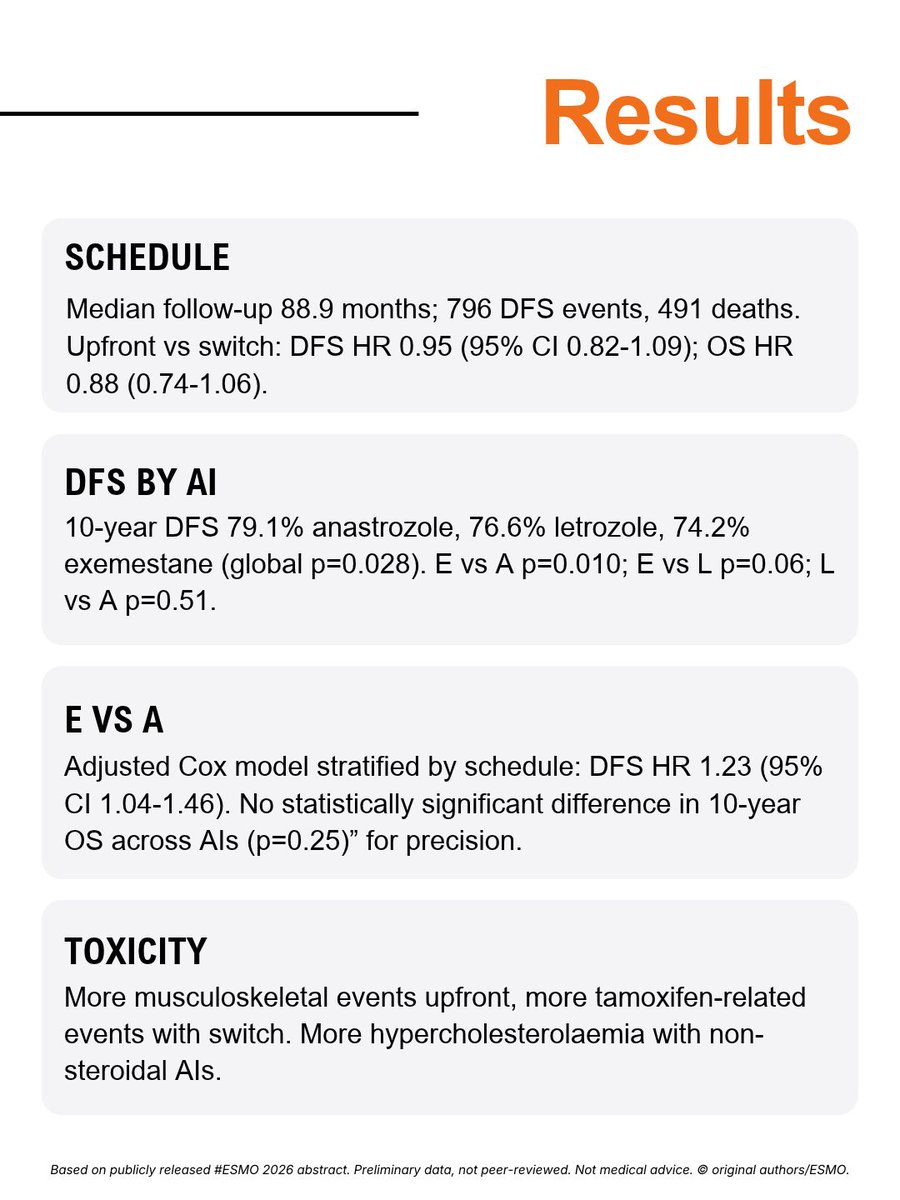
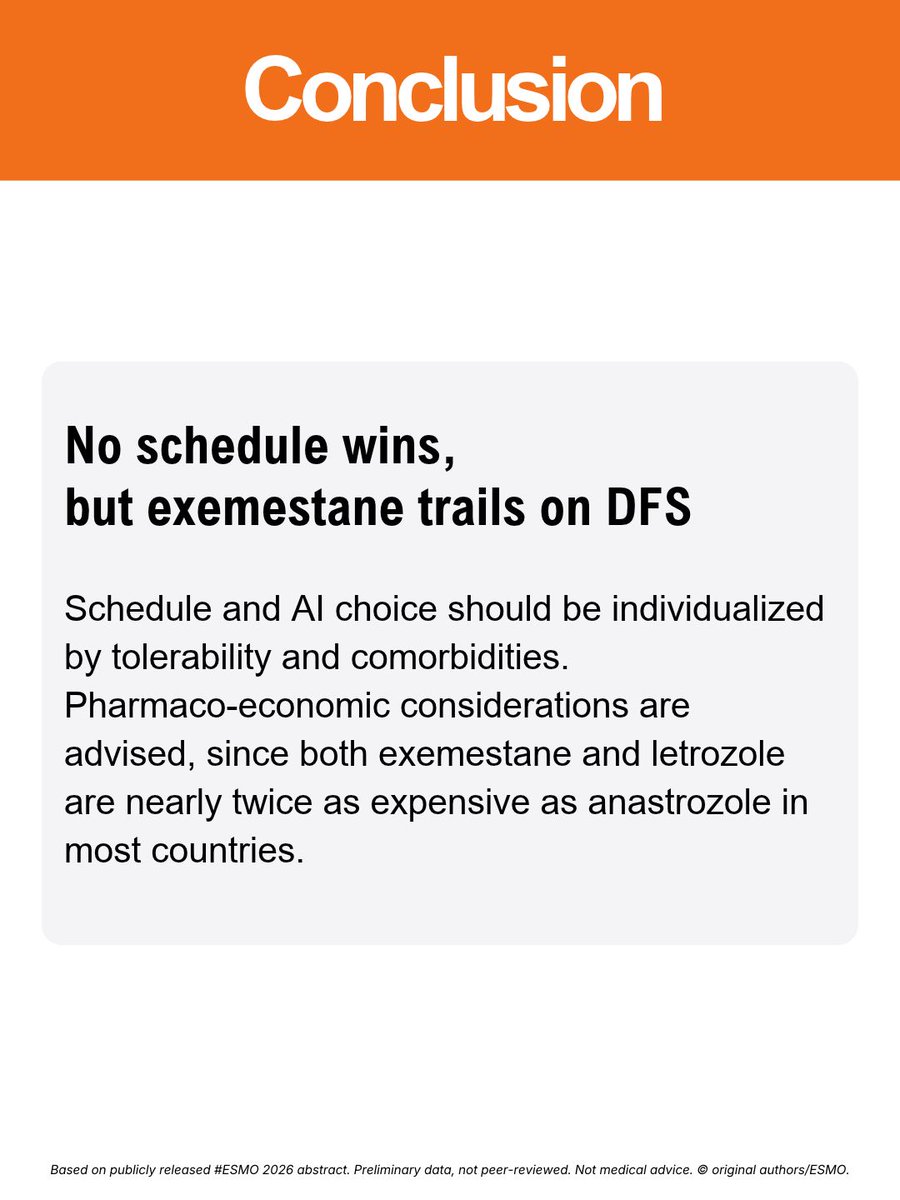
GIM3 FATA final analysis: no schedule wins, but exemestane trails anastrozole on 10-year DFS
Upfront and switch aromatase inhibitor strategies did not differ. Exemestane trailed anastrozole on 10-year DFS, with no OS difference across AIs. Clinicians are openly asking whether the exemestane signal is a fluke or real enough to change which AI they start.
Key numbers: Upfront vs switch DFS HR 0.95 · 10-yr DFS 79.1% anastrozole, 76.6% letrozole, 74.2% exemestane · Exemestane vs anastrozole DFS HR 1.23 · Absolute DFS difference 4.9% at 10 years
Discussed by: @stolaney1, @ErikaHamilton9, @PTarantinoMD, @dr_yakupergun, @nataliagandur, @ChandrakanthMv
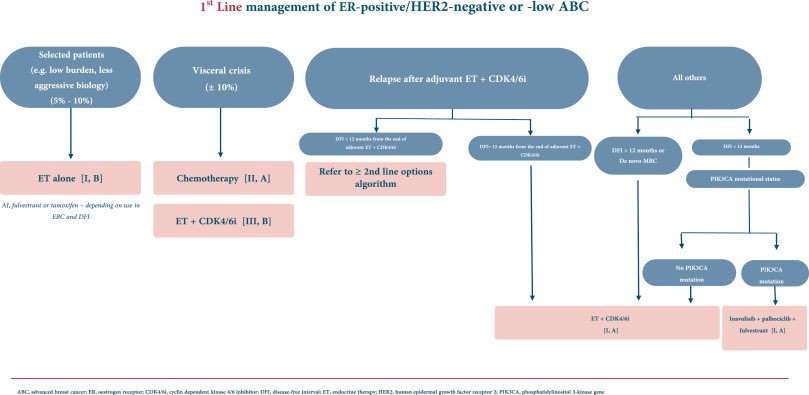
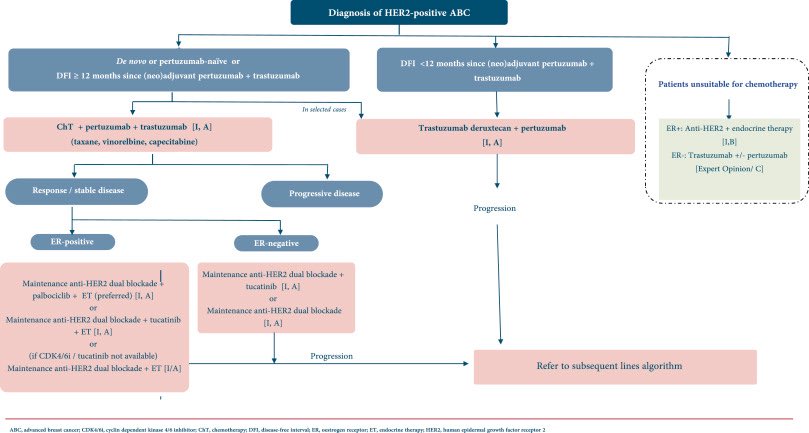
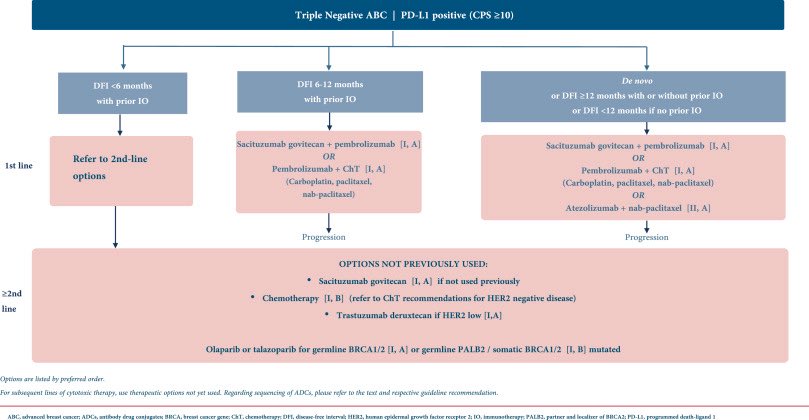
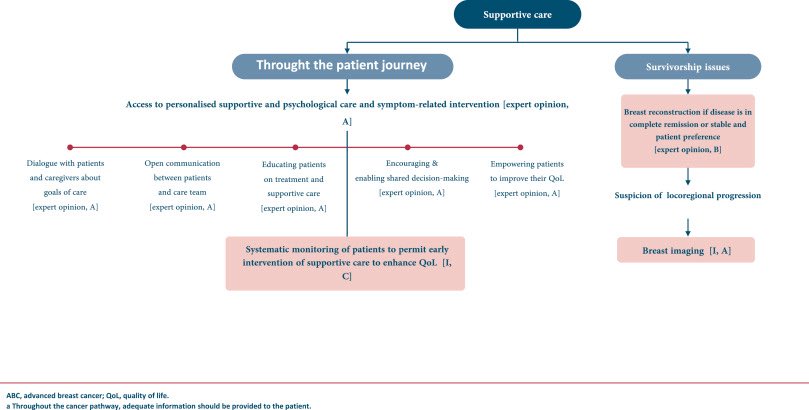
ABC8 international consensus guidelines for advanced breast cancer released with a new endocrine sensitivity definition
The 8th International consensus guidelines for advanced breast cancer update the definition of endocrine sensitivity and resistance, developed with the AURORA Molecular Screening Initiative. They also refresh algorithms for ER+/HER2-negative, HER2+ and triple-negative disease and add new guidance on clinical trials, exercise and artificial intelligence. Separately, a new ASCO guideline on follow-up and surveillance after primary treatment was published in JCO. Clinicians are weighing whether the redefinition changes who they classify as endocrine-resistant.
Discussed by: @OncoAlert, @JCO_ASCO, @to_be_elizabeth
CHARISMA paired-biopsy multi-omics: ADC resistance is driven by payload efflux, not target downregulation
Paired pre- and post-progression biopsies after T-DXd or sacituzumab govitecan showed partial HER2 loss without conversion to HER2-null, and no consistent TROP2 downregulation. Increased efflux transporters (ABCB1, ABCC1) were common and functionally reduced payload accumulation. Investigators conclude that resistance is largely payload-related. That prompts debate over whether rebiopsy should test transporters rather than re-score HER2 or TROP2.
Key numbers: HER2 decreased in 57% after T-DXd · TROP2 5/14 up, 3/14 down after SG · Efflux transporters increased in >50%
Discussed by: @PTarantinoMD, @PTarantinoMD, @weoncologists, @weoncologists
APEX-Breast01: biparatopic HER2 ADC rolditamig deuderuxtecan improves PFS threefold in chemo-naive HER2-low disease, but the control arm is questioned
Rolditamig deuderuxtecan improved PFS, response and an OS trend over chemotherapy in chemo-naive HER2-low disease. Heme toxicity was most common and ILD was low, with no deaths. One clinician argues that the chemo arm underperformed DESTINY-Breast06's control, so a weak comparator flatters the hazard ratio, and there was no T-DXd arm. Others question whether the biparatopic design adds anything in a crowded HER2 TOP1 field.
Key numbers: PFS 16.4 vs 5.5 mo, HR 0.29 · ORR 68.8% vs 31.0% · OS HR 0.44 · ILD 1.1%
Discussed by: @stolaney1, @ErikaHamilton9, @PTarantinoMD, @Dr_Oncologista, @weoncologists
evERA biomarker analysis: giredestrant plus everolimus holds its PFS benefit across ctDNA fraction and ESR1 variants
Giredestrant plus everolimus kept its PFS benefit across ctDNA tumor fraction, ESR1 variants, single and multiple ESR1 mutations, and TP53- and PIK3CA-mutated subgroups. High tumor fraction carried a poorer prognosis but benefit remained. Discussants caution that the ESR1-mutated result was achieved against an active control, so cross-trial hazard ratios cannot rank treatments. The question is whether these subgroups identify who benefits or only separate prognosis from prediction.
Key numbers: PFS HR 0.52 (cTF ≥1%) vs 0.61 (cTF <1%) · ESR1m PFS HR 0.58 (D538), 0.35 (Y537) · TP53m HR 0.65; PIK3CAm HR 0.55 · High cTF PFS 7.4 vs 4.6 mo
Discussed by: @stolaney1, @dr_yakupergun, @Dr_ElvinaA, @kazuki_nozawa, @E_de_Azambuja, @nataliagandur
Update: camizestrant's ESR1-guided switch strategy now has an EU approval and a Guardant companion diagnostic, and the biomarker community pushes back on the earlier ODAC vote
The European Commission approved camizestrant plus a CDK4/6 inhibitor for emergent ESR1 mutation during first-line endocrine therapy, based on SERENA-6 median PFS of 16.0 vs 9.2 months (HR 0.44). Guardant360 CDx was approved in Europe as the companion diagnostic. A biomarker researcher argues that SERENA-6 proves strong drug activity and that the higher regulatory bar reflects only the earlier PFS start point. Practical questions remain: SERENA-6 monitored every two to three months and screened thousands to randomize a few hundred, so clinicians debate whether to monitor every patient on first-line AI plus CDK4/6i.
Discussed by: @LoiSher, @DrBarbiOnc, @ErikaHamilton9, @DFCI_BreastOnc
Sources cited: FDA briefing document · Guardanthealth press release · OncLive
EMA rejects PATINA while FDA approved it, and clinicians debate what open-label investigator assessment is worth
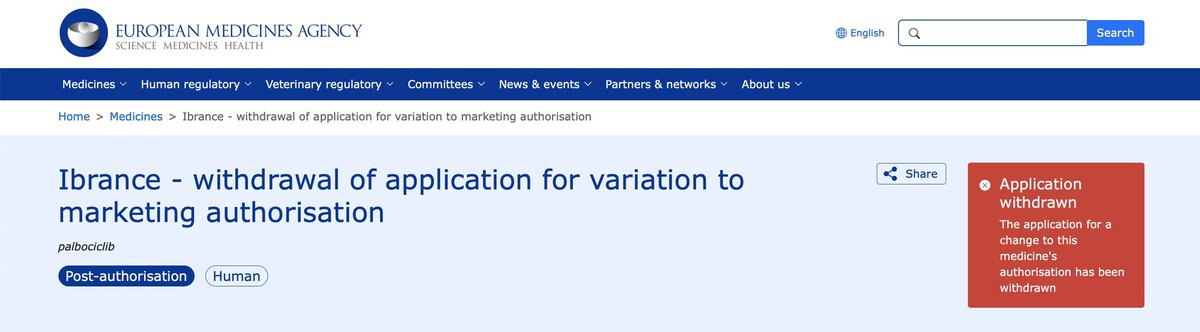
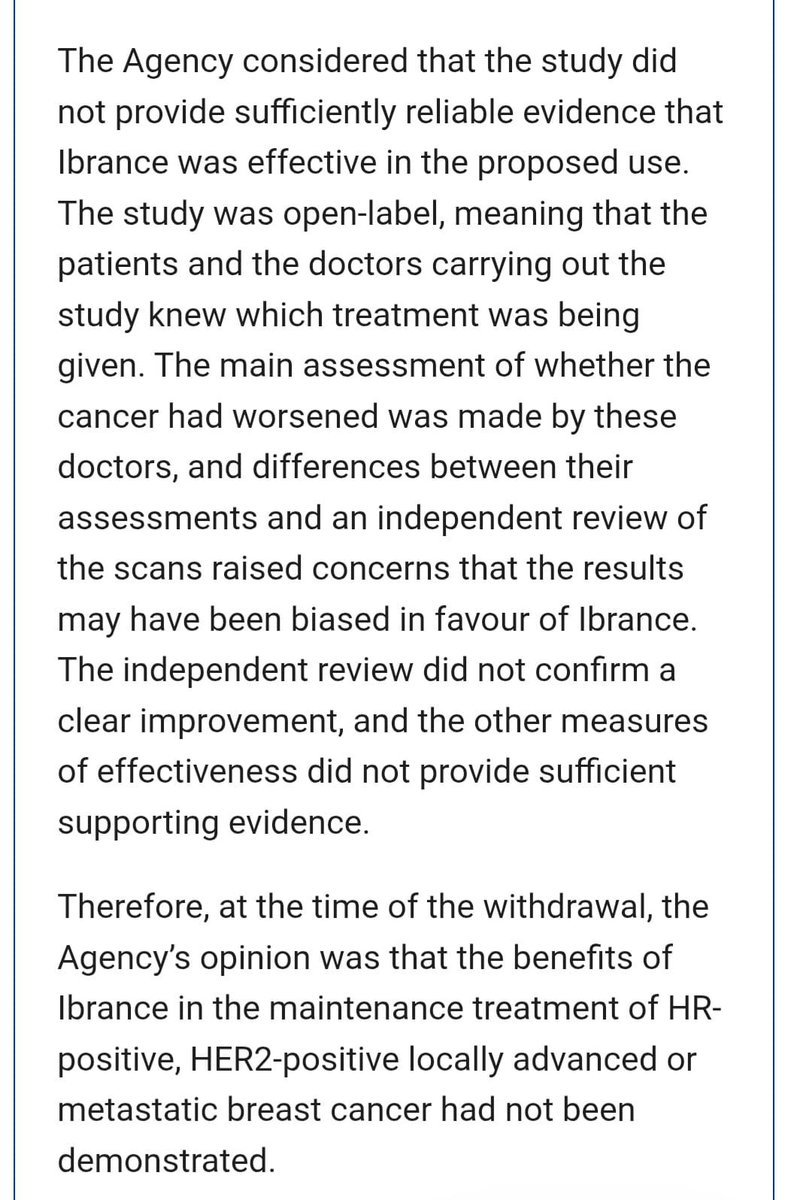
PATINA reported investigator-assessed median PFS of 44.3 vs 29.1 months (HR 0.75), and the FDA approved palbociclib on June 24, 2026. Pfizer withdrew its EU application, and the EMA's October 16 provisional opinion held that the change could not have been authorised, citing possible bias in the open-label results. One clinician finds this surprising, recalling that the HR did not change much with independent review. Clinicians now ask whose standard should guide palbociclib maintenance in triple-positive disease.
Discussed by: @SuyogCancer, @Lucarecco, @dr_yakupergun, @ChandrakanthMv
Sources cited: EMA press release
DESTINY-Breast11 MRI analysis: early imaging response after T-DXd does not reliably predict pCR
MRI response at cycle 4 was higher with T-DXd than with ddAC. pCR rates rose with MRI response category, but many MRI non-responders still reached pCR, and the association was stronger in HR-negative disease. Clinicians say they will keep using mid-treatment and presurgical MRI. The debate is whether MRI can ever be used to shorten neoadjuvant therapy.
Key numbers: Cycle 4 ORR 77.3% vs 50.8% · pCR 90% (CR), 67% (PR), 54% (no response)
Discussed by: @dr_yakupergun, @stolaney1, @AnisToumeh, @E_de_Azambuja
BRIDGET: adding tucatinib after SRS for isolated intracranial progression lets patients keep an otherwise working HER2 regimen
In this single-arm phase II trial, adding tucatinib to ongoing HP or T-DM1 after SRS gave durable intracranial control well beyond the historical benchmark, with low rates of grade ≥3 AEs and extracranial progression. The practical message is that isolated CNS progression need not mean abandoning an effective systemic regimen. Patient advocates call the results potentially practice-changing. The question is whether clinicians now add tucatinib and keep the backbone.
Key numbers: Median iPFS not reached; p<0.0001 vs historical median of 5 mo · iPFS 91% at 6 mo, 64% at 12 mo, 59% at 18 mo · Grade ≥3 AEs 15% · Extracranial progression 4.3%
Discussed by: @drsarahsam, @JaniceTNBCmets, @weoncologists, @nataliagandur
KEYNOTE-B49: pembrolizumab adds 0.7 months of median PFS in PD-L1-positive HR+ advanced disease with no OS benefit
Pembrolizumab produced a small median PFS gain with no OS benefit, but a tail of durable responders at 24 months. Few patients were eligible, since most were not PD-L1 positive, and grade 5 treatment-related events occurred. Clinicians cite competing ADCs, the burden of adding pembrolizumab to oral capecitabine, and the absence of an ADC comparator. The debate is whether that tail justifies PD-L1 testing.
Key numbers: PFS 6.7 vs 6.0 mo (HR 0.74) · OS 21.0 vs 22.2 mo (HR 1.04) · 24-month PFS 15% vs 4% · CPS ≥10 PFS HR 0.59
Discussed by: @dr_yakupergun, @ErikaHamilton9, @stolaney1, @ChandrakanthMv, @E_de_Azambuja, @ozdogan_md, @Dr_ElvinaA
Sources cited: Annals of Oncology
lidERA patient-reported outcomes: adjuvant giredestrant improves efficacy without adding symptom burden versus standard endocrine therapy
With giredestrant, more patients reported never experiencing joint pain, hot flashes and fatigue were comparable, and fewer stopped treatment due to side effects (5% vs 8%). Clinicians note that a drug improving adjuvant iDFS without adding side-effect burden is uncommon. The open question is what remains to decide before changing the adjuvant endocrine backbone.
Discussed by: @stolaney1, @PTarantinoMD, @E_de_Azambuja, @weoncologists
🔥 Top Ranked Tweets
Sara Coca Membribes @scocmem
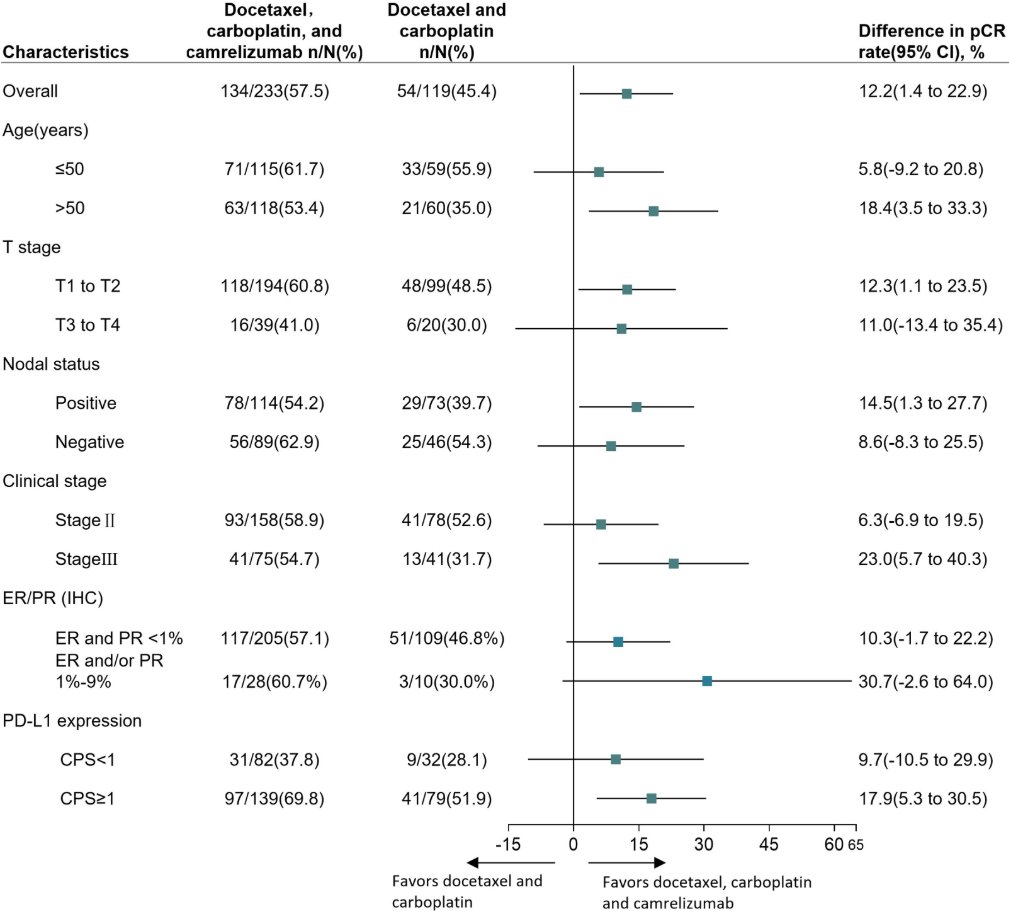
RT @Annals_Oncology: 🆕 Article in press: Efficacy and safety of camrelizumab plus docetaxel and carboplatin as neoadjuvant therapy for stage II-III triple-negative breast cancer: the HELEN-Trio 011 randomized clinical trial
🔗 Read it here: https://t.co/MnXNEvdxKy https://t.co/LtT94ncOcG
🔖 3 ❤️ 19 🔁 9 👁 1,914
Komal Jhaveri, MD, FACP, FASCO @jhaveri_komal
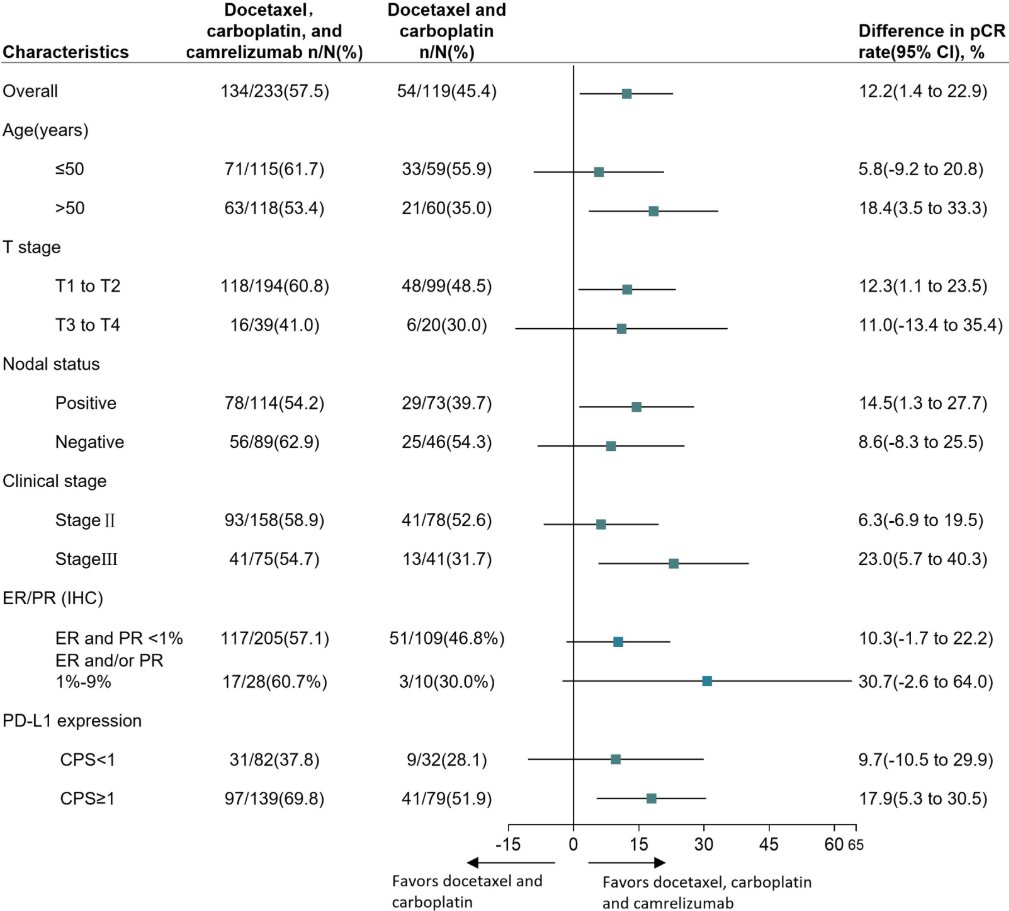
RT @Annals_Oncology: 🆕 Article in press: Efficacy and safety of camrelizumab plus docetaxel and carboplatin as neoadjuvant therapy for stage II-III triple-negative breast cancer: the HELEN-Trio 011 randomized clinical trial
🔗 Read it here: https://t.co/MnXNEvdxKy https://t.co/LtT94ncOcG
🔖 3 ❤️ 19 🔁 9 👁 1,914
OncoAlert @OncoAlert
RT @Dr_Oncologista: postMONARCH: CDK4/6 Inhibition Beyond Progression — Modest PFS Benefit, No Significant OS Benefit
@OncoAlert #ESMO26 #BreastCancer
🔖 5 ❤️ 30 🔁 6 👁 1,345
Sara Tolaney @stolaney1
RT @OncoAlert: OncoAlert 4Sight Abstracts to be Presented at #ESMO26
1RO: Final Overall Survival Analysis of postMONARCH: Abemaciclib Plus Fulvestrant After Progression on Prior CDK4/6 Inhibitor in HR+, HER2– Advanced Breast Cancer
@KalinskyKevin
@BianchiniGP
@ErikaHamilton9
@DrSGraff
@drsarahsam
@MuozMateu
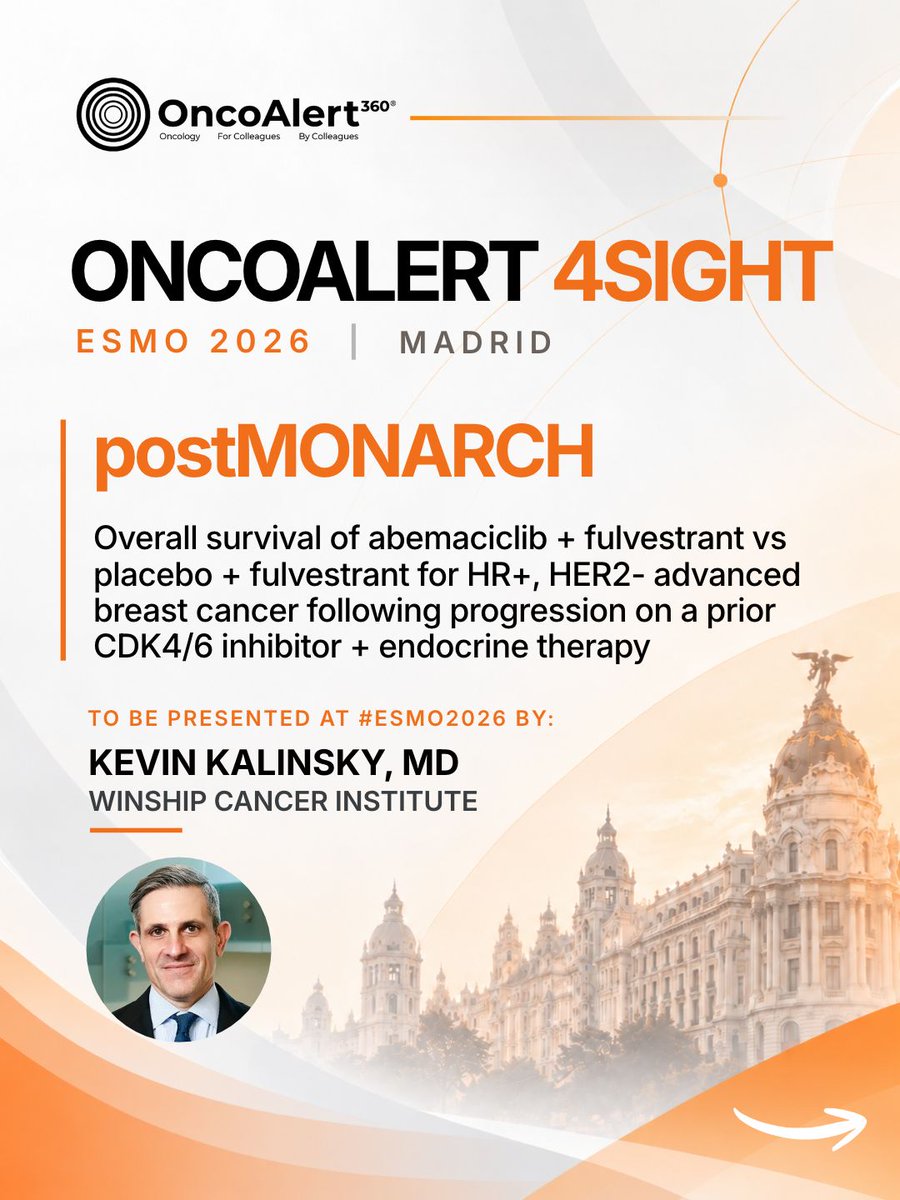
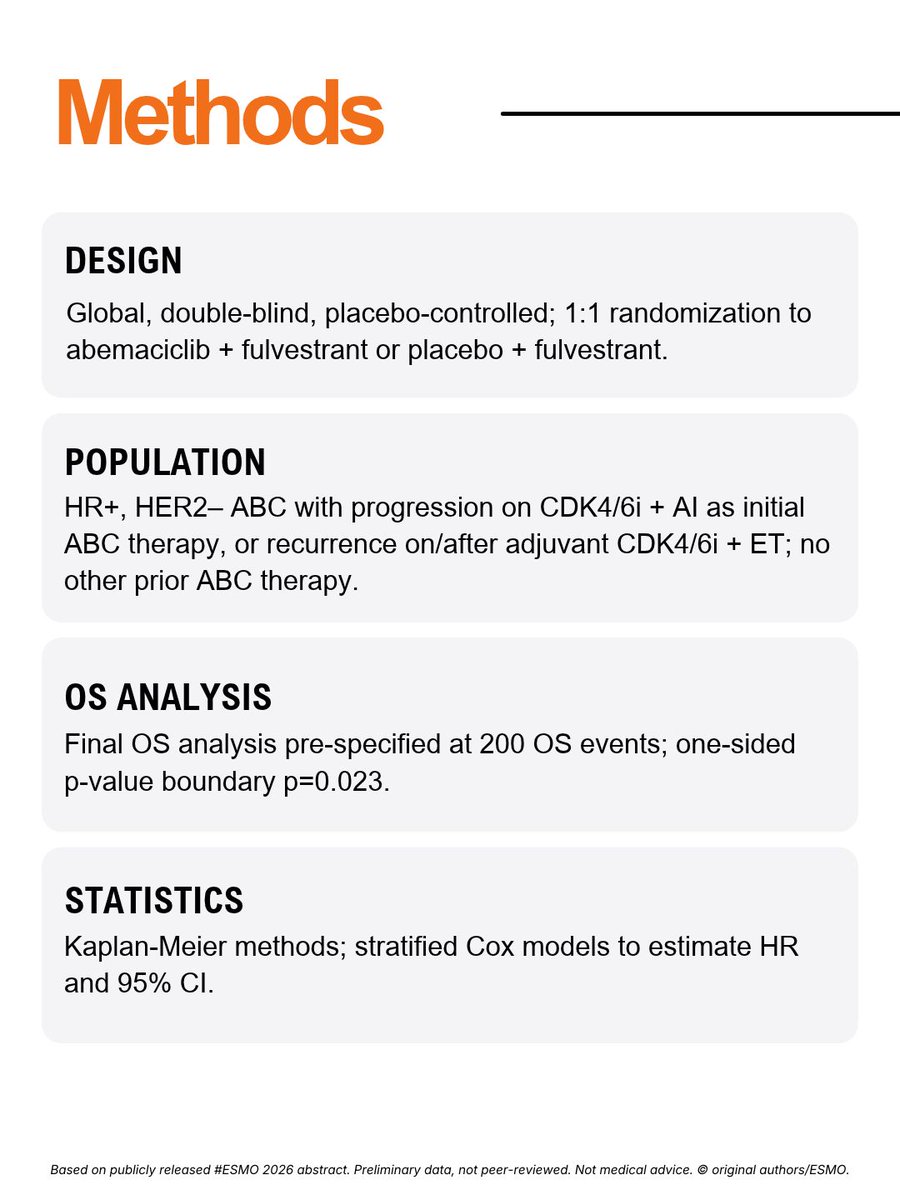
🔬 Phase 3, double-blind trial (n=368): abemaciclib or placebo plus fulvestrant in HR+, HER2– ABC after progression on prior CDK4/6i + ET. Final OS analysis.
➡️ Median OS 32.1 vs 24.6 mo; HR 0.80 (0.60–1.06); p=0.1145, statistical significance not reached
➡️ Updated PFS HR 0.78 (0.62–0.99); nominal p=0.0390
➡️ Safety consistent with the established abemaciclib profile; no new signals
✅ Numerically longer median OS, not statistically significant. While absolute PFS benefit was modest, overall evidence supports considering abemaciclib-based treatment after disease progression on prior CDK4/6i + ET. #BreastCancer
🎙️ Kevin Kalinsky
👥 Giampaolo Bianchini · Erika Hamilton · Stephanie Graff · Kyong Hwa Park · Rinath Jeselsohn · Umut Demirci · Miguel Martin · Rachel Layman · Sara Hurvitz · Sarah Sammons · Peter Kaufman · Montserrat Muñoz · Jiun-I Lai · Holly Knoderer · Cynthia Sandoval · Aarti Chawla · Bastien Nguyen · Yanhong Zhou · Elizabeth Ravenberg · Lacey Litchfield · Lillian Smyth · Seth Wander
(4Sight Made from Abstracts publicly available at the ESMO website)
Pinging OncoAlert Breast Cancer Faculty
@matteolambe @aftimosp @E_de_Azambuja @DrSGraff @ErikaHamilton9 @hoperugo @stolaney1 @BianchiniGP @aftimosp @kevinpunie @ElisaAgostinett @to_be_elizabeth @GaiaGriguolo @JankovicK @raalbany @JavierCortesMD @JaniceTNBCmets @Prof_Nadia_H @LoiSher @jamecancerdoc
@Lucarecco @Dr_Oncologista
🔖 2 ❤️ 20 🔁 14 👁 3,707
OncoAlert @OncoAlert
OncoAlert 4Sight Abstracts to be Presented at #ESMO26
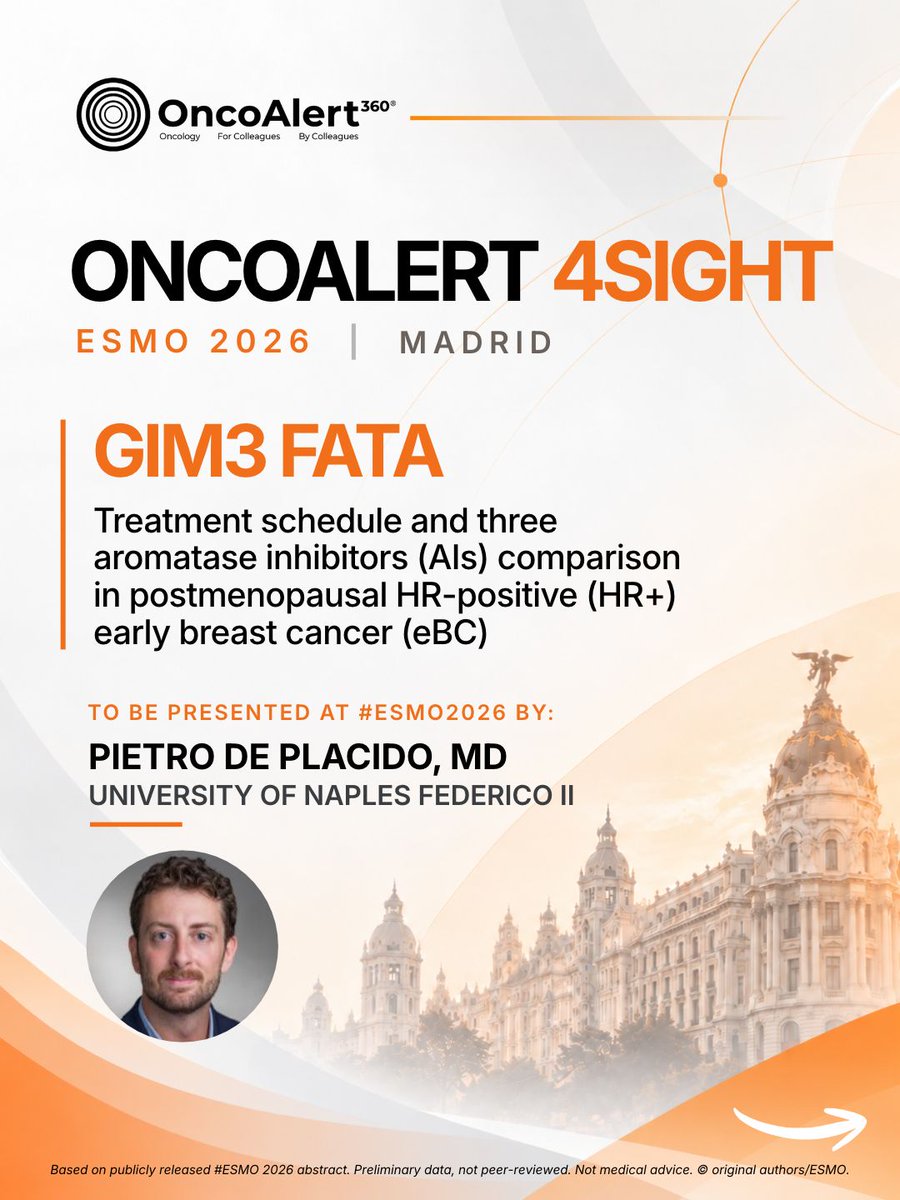
Final Analysis of the GIM3 FATA Trial: Treatment Schedule and Three Aromatase Inhibitors in Postmenopausal HR+ Early Breast Cancer
@PietroDePlacido
@antoniorusso_pa
@delmastro_lucia
@MicheleDelauren
@fperrone62
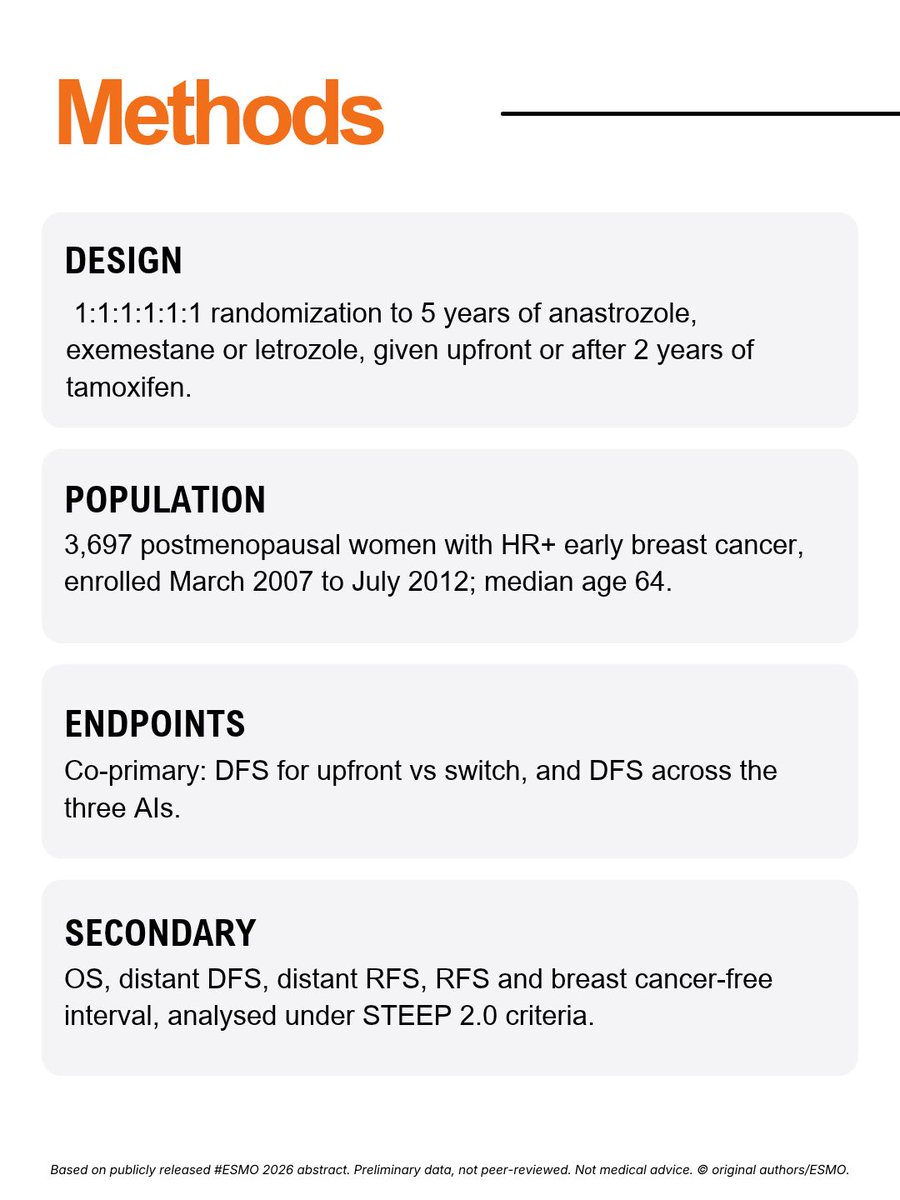
🔬 Randomized trial (n=3697): 5 years of anastrozole, exemestane or letrozole, upfront or after 2 years of tamoxifen. Co-primary: DFS by schedule and by AI.
➡️ Upfront vs switch: DFS HR 0.95 (0.82–1.09); OS HR 0.88 (0.74–1.06)
➡️ 10-year DFS 79.1% anastrozole, 76.6% letrozole, 74.2% exemestane (global p=0.028)
➡️ Exemestane vs anastrozole: adjusted DFS HR 1.23 (1.04–1.46). 10-year OS across AIs: no statistically significant difference (p=0.25)
✅ No schedule superior; exemestane associated with worse DFS. Choice should be individualized by tolerability, comorbidities and cost. #BreastCancer
🎙️ Pietro De Placido
👥 Laura Arenare · Erica Pietroluongo · Giancarlo Bisagni · Maria Sarobba · Antonio Russo · Ferdinando Riccardi · Lucia Del Mastro · Antonio Pazzola · Francesco Cognetti · Jennifer Foglietta · Stefania Gori · Francesco Nuzzo · Adriano Gravina · Michelino De Laurentiis · Roberto Bianco · Grazia Arpino · Sabino De Placido · Ciro Gallo · Francesco Perrone
(4Sight Made from Abstracts publicly available at the ESMO website)
Pinging OncoAlert Breast Cancer Faculty
@matteolambe @aftimosp @E_de_Azambuja @DrSGraff @ErikaHamilton9 @hoperugo @stolaney1 @BianchiniGP @aftimosp @kevinpunie @ElisaAgostinett @to_be_elizabeth @GaiaGriguolo @JankovicK @raalbany @JavierCortesMD @JaniceTNBCmets @Prof_Nadia_H @LoiSher @jamecancerdoc
@Lucarecco @Dr_Oncologista
🔖 1 ❤️ 20 🔁 6 👁 1,924
OncoAlert @OncoAlert
OncoAlert 4Sight Abstracts to be Presented at #ESMO26
1RO: Final Overall Survival Analysis of postMONARCH: Abemaciclib Plus Fulvestrant After Progression on Prior CDK4/6 Inhibitor in HR+, HER2– Advanced Breast Cancer
@KalinskyKevin
@BianchiniGP
@ErikaHamilton9
@DrSGraff
@drsarahsam
@MuozMateu
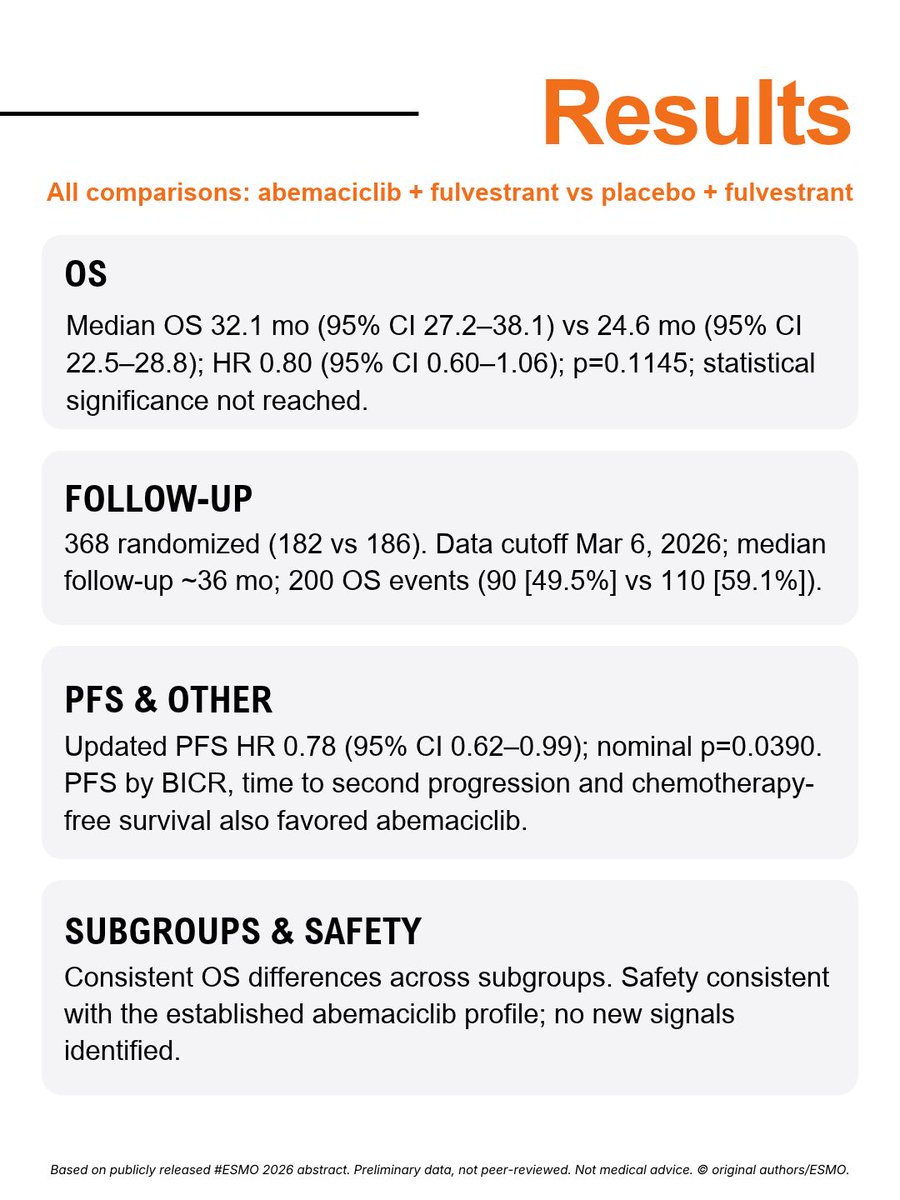
🔬 Phase 3, double-blind trial (n=368): abemaciclib or placebo plus fulvestrant in HR+, HER2– ABC after progression on prior CDK4/6i + ET. Final OS analysis.
➡️ Median OS 32.1 vs 24.6 mo; HR 0.80 (0.60–1.06); p=0.1145, statistical significance not reached
➡️ Updated PFS HR 0.78 (0.62–0.99); nominal p=0.0390
➡️ Safety consistent with the established abemaciclib profile; no new signals
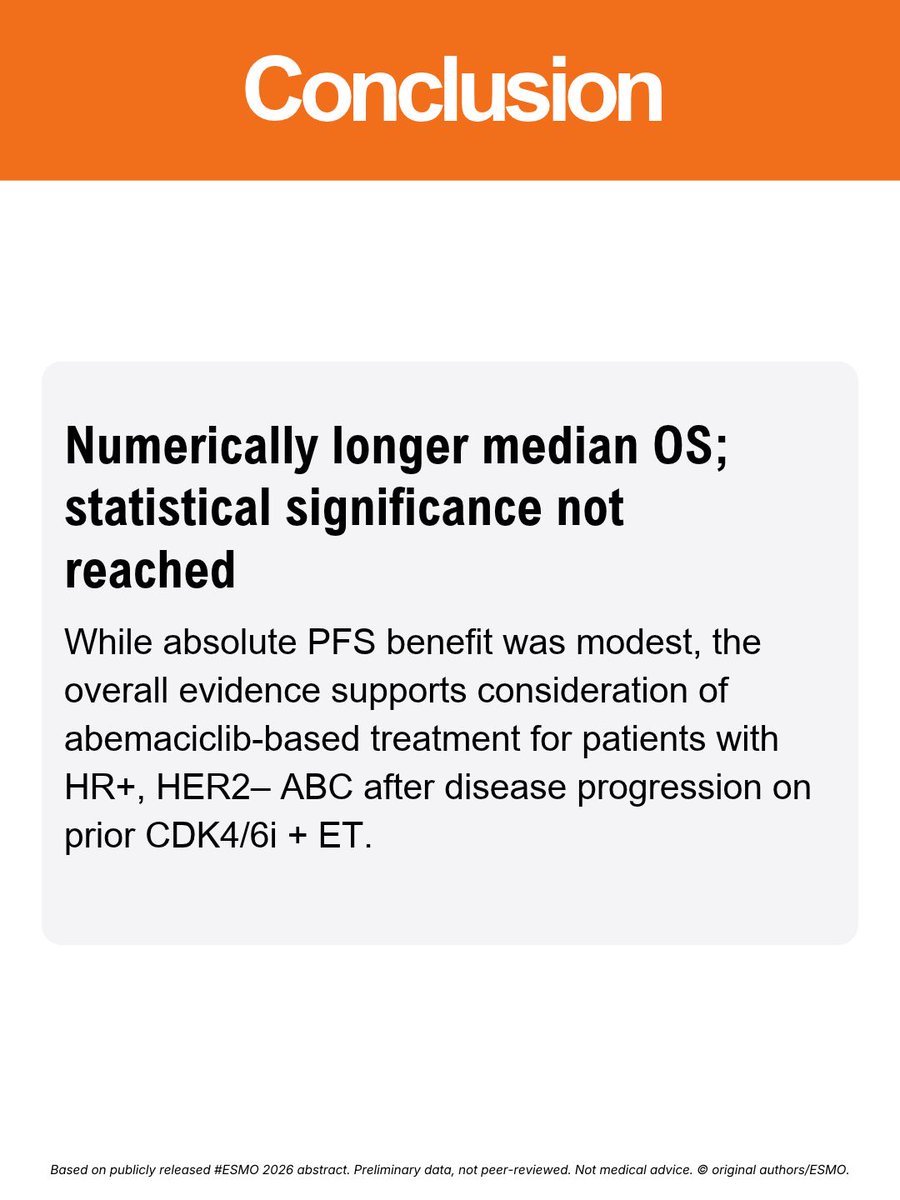
✅ Numerically longer median OS, not statistically significant. While absolute PFS benefit was modest, overall evidence supports considering abemaciclib-based treatment after disease progression on prior CDK4/6i + ET. #BreastCancer
🎙️ Kevin Kalinsky
👥 Giampaolo Bianchini · Erika Hamilton · Stephanie Graff · Kyong Hwa Park · Rinath Jeselsohn · Umut Demirci · Miguel Martin · Rachel Layman · Sara Hurvitz · Sarah Sammons · Peter Kaufman · Montserrat Muñoz · Jiun-I Lai · Holly Knoderer · Cynthia Sandoval · Aarti Chawla · Bastien Nguyen · Yanhong Zhou · Elizabeth Ravenberg · Lacey Litchfield · Lillian Smyth · Seth Wander
(4Sight Made from Abstracts publicly available at the ESMO website)
Pinging OncoAlert Breast Cancer Faculty
@matteolambe @aftimosp @E_de_Azambuja @DrSGraff @ErikaHamilton9 @hoperugo @stolaney1 @BianchiniGP @aftimosp @kevinpunie @ElisaAgostinett @to_be_elizabeth @GaiaGriguolo @JankovicK @raalbany @JavierCortesMD @JaniceTNBCmets @Prof_Nadia_H @LoiSher @jamecancerdoc
@Lucarecco @Dr_Oncologista
🔖 2 ❤️ 20 🔁 14 👁 3,707
OncoAlert @OncoAlert
RT @to_be_elizabeth: 📌 8th International consensus guidelines for the management of advanced breast cancer (ABC8 guidelines)
🔗 https://t.co/gDVMupPQXl
🔸Updated definition of endocrine sensitivity/resistance, in collaboration with the AURORA Molecular Screening Initiative.
🔸Updated treatment guidelines and algorithms for ER+/HER-2 negative, HER-2+ and triple negative advanced breast cancer.
🔸New guidelines on clinical trials, exercise and artificial intelligence.
🔸Updated guidelines for biomarkers, inflammatory breast cancer, brain imaging and supportive care.
@OncoAlert #OncoAlertAF
🔖 21 ❤️ 25 🔁 15 👁 1,958
Yakup Ergün @dr_yakupergun
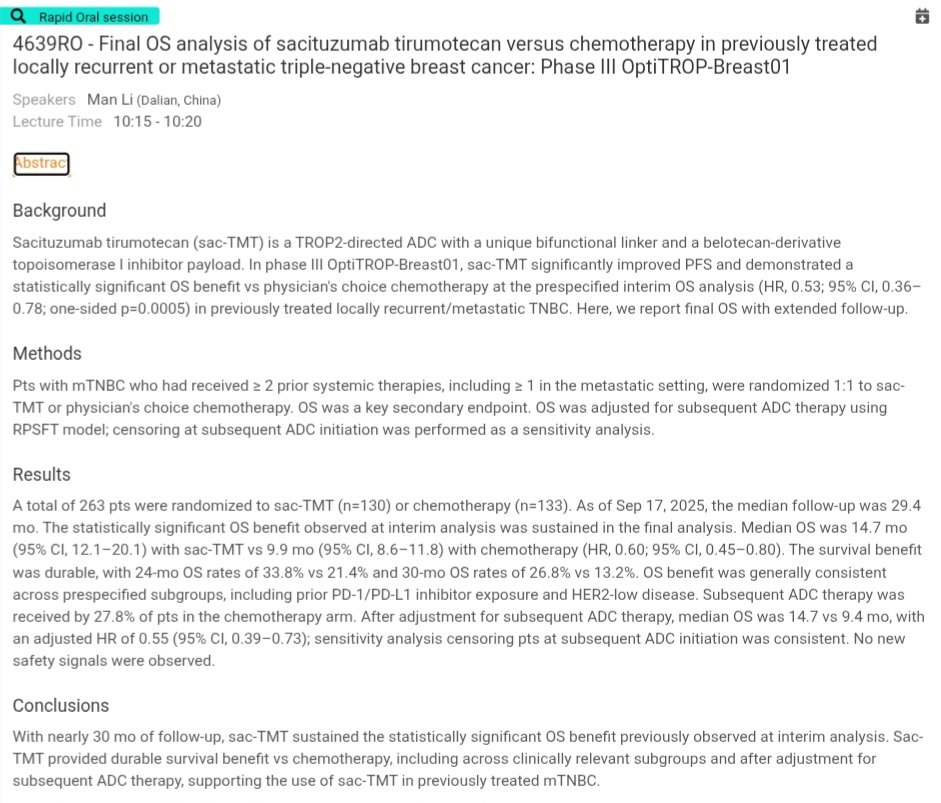
#ESMO26 | OptiTROP-Breast01 – Final OS
In metastatic TNBC, sacituzumab tirumotecan improved median OS from 9.9 to 14.7 months vs chemotherapy (HR 0.60).
30-month OS: 26.8% vs 13.2%.
The survival benefit was maintained with longer follow-up. However, the lack of direct comparisons with existing ADCs leaves its place in treatment sequencing uncertain.
🔖 8 ❤️ 25 🔁 18 👁 2,501
Gil Morgan, MD @weoncologists
postMONARCH 🦋 to be presented at #ESMO26
final OS: numerically longer (32.1 vs 24.6 mo) but not significant. Consistent PFS signal and no new safety concerns. Continuing CDK4/6i beyond progression still has a place, but patient selection is key. #BreastCancer
[Quoting @OncoAlert: OncoAlert 4Sight Abstracts to be Presented at #ESMO26
1RO: Final Overall Survival Analysis of postMONARCH: Abemaciclib Plus Fulvestrant After Progression on Prior CDK4/6 Inhibitor in HR+, HER2– Advanced Breast Cancer
@KalinskyKevin
@BianchiniGP
@ErikaHamilton9
@DrSGraff
@drsarahsam
@MuozMateu
🔬 Phase 3, double-blind trial (n=368): abemaciclib or placebo plus fulvestrant in HR+, HER2– ABC after progression on prior CDK4/6i + ET. Final OS analysis.
➡️ Median OS 32.1 vs 24.6 mo; HR 0.80 (0.60–1.06); p=0.1145, statistical significance not reached
➡️ Updated PFS HR 0.78 (0.62–0.99); nominal p=0.0390
➡️ Safety consistent with the established abemaciclib profile; no new signals
✅ Numerically longer median OS, not statistically significant. While absolute PFS benefit was modest, overall evidence supports considering abemaciclib-based treatment after disease progression on prior CDK4/6i + ET. #BreastCancer
🎙️ Kevin Kalinsky
👥 Giampaolo Bianchini · Erika Hamilton · Stephanie Graff · Kyong Hwa Park · Rinath Jeselsohn · Umut Demirci · Miguel Martin · Rachel Layman · Sara Hurvitz · Sarah Sammons · Peter Kaufman · Montserrat Muñoz · Jiun-I Lai · Holly Knoderer · Cynthia Sandoval · Aarti Chawla · Bastien Nguyen · Yanhong Zhou · Elizabeth Ravenberg · Lacey Litchfield · Lillian Smyth · Seth Wander
(4Sight Made from Abstracts publicly available at the ESMO website)
Pinging OncoAlert Breast Cancer Faculty
@matteolambe @aftimosp @E_de_Azambuja @DrSGraff @ErikaHamilton9 @hoperugo @stolaney1 @BianchiniGP @aftimosp @kevinpunie @ElisaAgostinett @to_be_elizabeth @GaiaGriguolo @JankovicK @raalbany @JavierCortesMD @JaniceTNBCmets @Prof_Nadia_H @LoiSher @jamecancerdoc
@Lucarecco @Dr_Oncologista]
🔖 1 ❤️ 11 🔁 2 👁 640
Gil Morgan, MD @weoncologists
10-year data settle it: upfront AI vs switch makes no real difference. The surprise is exemestane trailing on DFS.
GIM3 FATA to be presented at #ESMO26
[Quoting @OncoAlert: OncoAlert 4Sight Abstracts to be Presented at #ESMO26
Final Analysis of the GIM3 FATA Trial: Treatment Schedule and Three Aromatase Inhibitors in Postmenopausal HR+ Early Breast Cancer
@PietroDePlacido
@antoniorusso_pa
@delmastro_lucia
@MicheleDelauren
@fperrone62
🔬 Randomized trial (n=3697): 5 years of anastrozole, exemestane or letrozole, upfront or after 2 years of tamoxifen. Co-primary: DFS by schedule and by AI.
➡️ Upfront vs switch: DFS HR 0.95 (0.82–1.09); OS HR 0.88 (0.74–1.06)
➡️ 10-year DFS 79.1% anastrozole, 76.6% letrozole, 74.2% exemestane (global p=0.028)
➡️ Exemestane vs anastrozole: adjusted DFS HR 1.23 (1.04–1.46). 10-year OS across AIs: no statistically significant difference (p=0.25)
✅ No schedule superior; exemestane associated with worse DFS. Choice should be individualized by tolerability, comorbidities and cost. #BreastCancer
🎙️ Pietro De Placido
👥 Laura Arenare · Erica Pietroluongo · Giancarlo Bisagni · Maria Sarobba · Antonio Russo · Ferdinando Riccardi · Lucia Del Mastro · Antonio Pazzola · Francesco Cognetti · Jennifer Foglietta · Stefania Gori · Francesco Nuzzo · Adriano Gravina · Michelino De Laurentiis · Roberto Bianco · Grazia Arpino · Sabino De Placido · Ciro Gallo · Francesco Perrone
(4Sight Made from Abstracts publicly available at the ESMO website)
Pinging OncoAlert Breast Cancer Faculty
@matteolambe @aftimosp @E_de_Azambuja @DrSGraff @ErikaHamilton9 @hoperugo @stolaney1 @BianchiniGP @aftimosp @kevinpunie @ElisaAgostinett @to_be_elizabeth @GaiaGriguolo @JankovicK @raalbany @JavierCortesMD @JaniceTNBCmets @Prof_Nadia_H @LoiSher @jamecancerdoc
@Lucarecco @Dr_Oncologista]
🔖 1 ❤️ 5 🔁 5 👁 525
Janice Cowden @JaniceTNBCmets
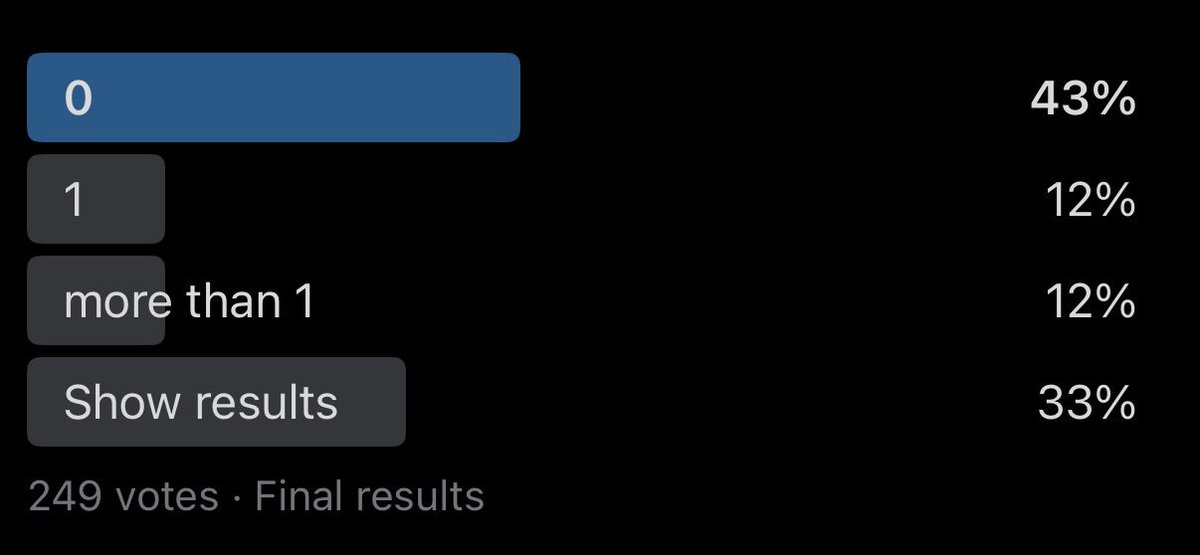
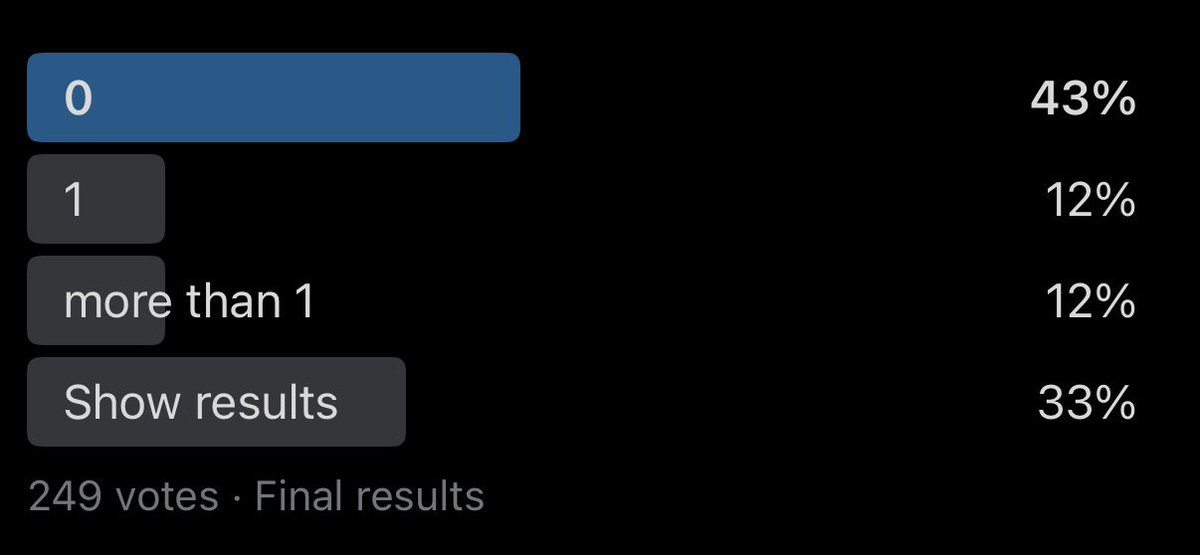
RT @PTarantinoMD: Not 0. Nor 1.
There are 2️⃣ positive phase 3 trials evaluating ADC sequencing with the same target (but different payload)
- DB02: after T-DM1, T-DXd is still highly active, and outperforms chemo
- TULIP: in mostly (~90%) T-DM1 pretreated patients, T-duo outperforms chemo https://t.co/zPLeNULohI
🔖 15 ❤️ 46 🔁 10 👁 4,470
Paolo Tarantino @PTarantinoMD
RT @PTarantinoMD: Not 0. Nor 1.
There are 2️⃣ positive phase 3 trials evaluating ADC sequencing with the same target (but different payload)
- DB02: after T-DM1, T-DXd is still highly active, and outperforms chemo
- TULIP: in mostly (~90%) T-DM1 pretreated patients, T-duo outperforms chemo https://t.co/zPLeNULohI
🔖 15 ❤️ 46 🔁 10 👁 4,470
Dr Amol Akhade @SuyogCancer
EMA has raised concerned over Patina trial results . Company has withdrawn the application at EMA for said indication .EMA feels results may have been biased ?? @PTarantinoMD @dr_yakupergun @ErikaHamilton9 @hoperugo @drsarahsam https://t.co/AOCbhoZNt8
🔖 10 ❤️ 18 🔁 2 👁 11,318
Aya Mohamed | MSc, MD 🎗 @Dr_Oncologista
postMONARCH: CDK4/6 Inhibition Beyond Progression — Modest PFS Benefit, No Significant OS Benefit
@OncoAlert #ESMO26 #BreastCancer
[Quoting @OncoAlert: OncoAlert 4Sight Abstracts to be Presented at #ESMO26
1RO: Final Overall Survival Analysis of postMONARCH: Abemaciclib Plus Fulvestrant After Progression on Prior CDK4/6 Inhibitor in HR+, HER2– Advanced Breast Cancer
@KalinskyKevin
@BianchiniGP
@ErikaHamilton9
@DrSGraff
@drsarahsam
@MuozMateu
🔬 Phase 3, double-blind trial (n=368): abemaciclib or placebo plus fulvestrant in HR+, HER2– ABC after progression on prior CDK4/6i + ET. Final OS analysis.
➡️ Median OS 32.1 vs 24.6 mo; HR 0.80 (0.60–1.06); p=0.1145, statistical significance not reached
➡️ Updated PFS HR 0.78 (0.62–0.99); nominal p=0.0390
➡️ Safety consistent with the established abemaciclib profile; no new signals
✅ Numerically longer median OS, not statistically significant. While absolute PFS benefit was modest, overall evidence supports considering abemaciclib-based treatment after disease progression on prior CDK4/6i + ET. #BreastCancer
🎙️ Kevin Kalinsky
👥 Giampaolo Bianchini · Erika Hamilton · Stephanie Graff · Kyong Hwa Park · Rinath Jeselsohn · Umut Demirci · Miguel Martin · Rachel Layman · Sara Hurvitz · Sarah Sammons · Peter Kaufman · Montserrat Muñoz · Jiun-I Lai · Holly Knoderer · Cynthia Sandoval · Aarti Chawla · Bastien Nguyen · Yanhong Zhou · Elizabeth Ravenberg · Lacey Litchfield · Lillian Smyth · Seth Wander
(4Sight Made from Abstracts publicly available at the ESMO website)
Pinging OncoAlert Breast Cancer Faculty
@matteolambe @aftimosp @E_de_Azambuja @DrSGraff @ErikaHamilton9 @hoperugo @stolaney1 @BianchiniGP @aftimosp @kevinpunie @ElisaAgostinett @to_be_elizabeth @GaiaGriguolo @JankovicK @raalbany @JavierCortesMD @JaniceTNBCmets @Prof_Nadia_H @LoiSher @jamecancerdoc
@Lucarecco @Dr_Oncologista]
🔖 5 ❤️ 30 🔁 6 👁 1,345
Dana-Farber’s Breast Oncology Center @DFCI_BreastOnc
RT @DFCI_BreastOnc: In this short #BreastCancerBreakthroughs #ASCO2026 Highlight, Harold Burstein, MD, PhD (@DrHBurstein), and Adrienne Waks, MD (@adawaksmd) discuss the #HER2Climb-05 trial and how it impacts treatment for HER2+ #MetastaticBreastCancer.
https://t.co/8J5tJ985JQ
🔖 8 ❤️ 17 🔁 9 👁 3,309
🧪 Newly Recruiting Trials
5 trials (3 phase II, 1 phase I, 1 device/procedure) opened this week, testing single-fraction interstitial partial breast irradiation brachytherapy, PF-07220060, inavolisib, STRO-006 and brain-avoidant proton craniospinal irradiation (BRAVO-pCSI)
Phase 2 · Virginia Commonwealth University · single-fraction interstitial partial breast irradiation brachytherapy · Virginia · CT.gov ↗
Phase 1/2 · Pfizer · PF-07220060 · California, Connecticut, Massachusetts, Michigan, Tennessee, Texas · CT.gov ↗
Phase 2 · Hoffmann-La Roche · inavolisib · District of Columbia, Georgia, Nebraska, New York, West Virginia · CT.gov ↗
Phase 1 · Sutro Biopharma, Inc. · STRO-006 · Florida, Massachusetts, Oklahoma, Texas, Virginia · CT.gov ↗
Phase N/A · University of Miami · brain-avoidant proton craniospinal irradiation (BRAVO-pCSI) · Florida · CT.gov ↗
Open all 5 on the trials page →
Agent descriptions from the NCI Thesaurus.
Prepared by Rafael Santana-Davila, M.D. Questions or feedback? Just reply to this email.
Disclaimer: This digest is AI-generated. Content may contain errors -- always verify with original sources.
Know a colleague who would find this useful? Just forward them this email.
☕ Not funded by anyone — no sponsors, no pharma. Buy me a coffee if it's useful.